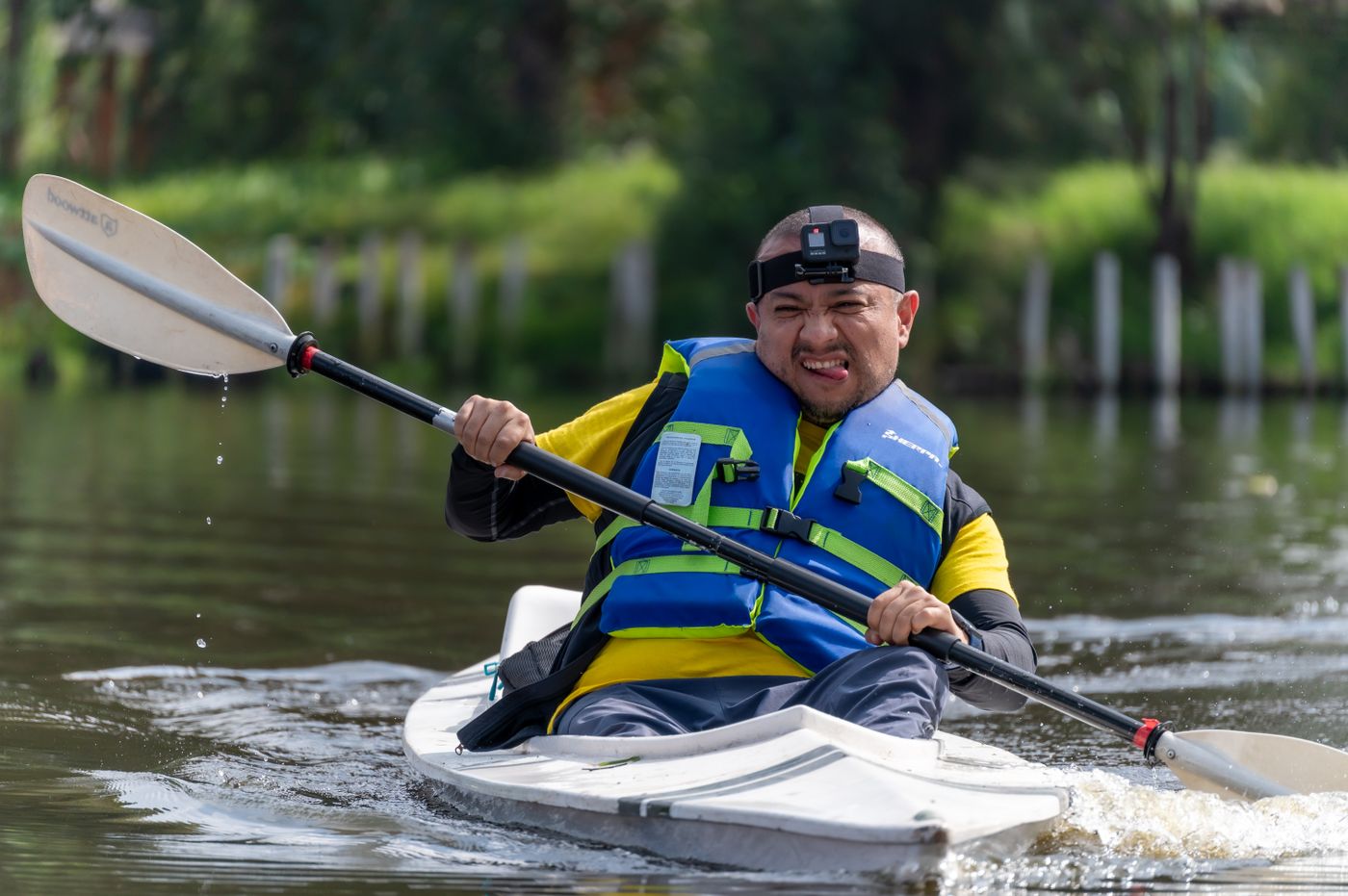
Kayaker wearing a life jacket while paddling on calm waterPrepared water days feel better
Water Safety Guides

Safety starts before the splash.

Use these practical guides to prepare equipment, choose suitable flotation, review conditions, plan communication, and build safer habits around paddling, swimming, snorkeling, tow sports, and shoreline recreation.

This page provides general preparation guidance. Always follow product instructions, posted warnings, local rules, weather advisories, lifeguards, and official safety authorities.
01Before

Plan the conditions.

Review weather, water movement, access points, route, distance, daylight, communication, and the abilities of everyone involved.
02During

Stay within the plan.

Wear suitable flotation, remain aware of changing conditions, keep companions visible, and turn back before fatigue or weather becomes a problem.

03After

Reset the equipment.

Rinse, dry, inspect, and store gear properly so straps, valves, ropes, seams, closures, and safety equipment remain ready for the next outing.

Paddle Safety

Plan the route before the launch.

Kayaks, packrafts, and paddle boards should be matched to the water, distance, paddler experience, load, and available transport or recovery options.

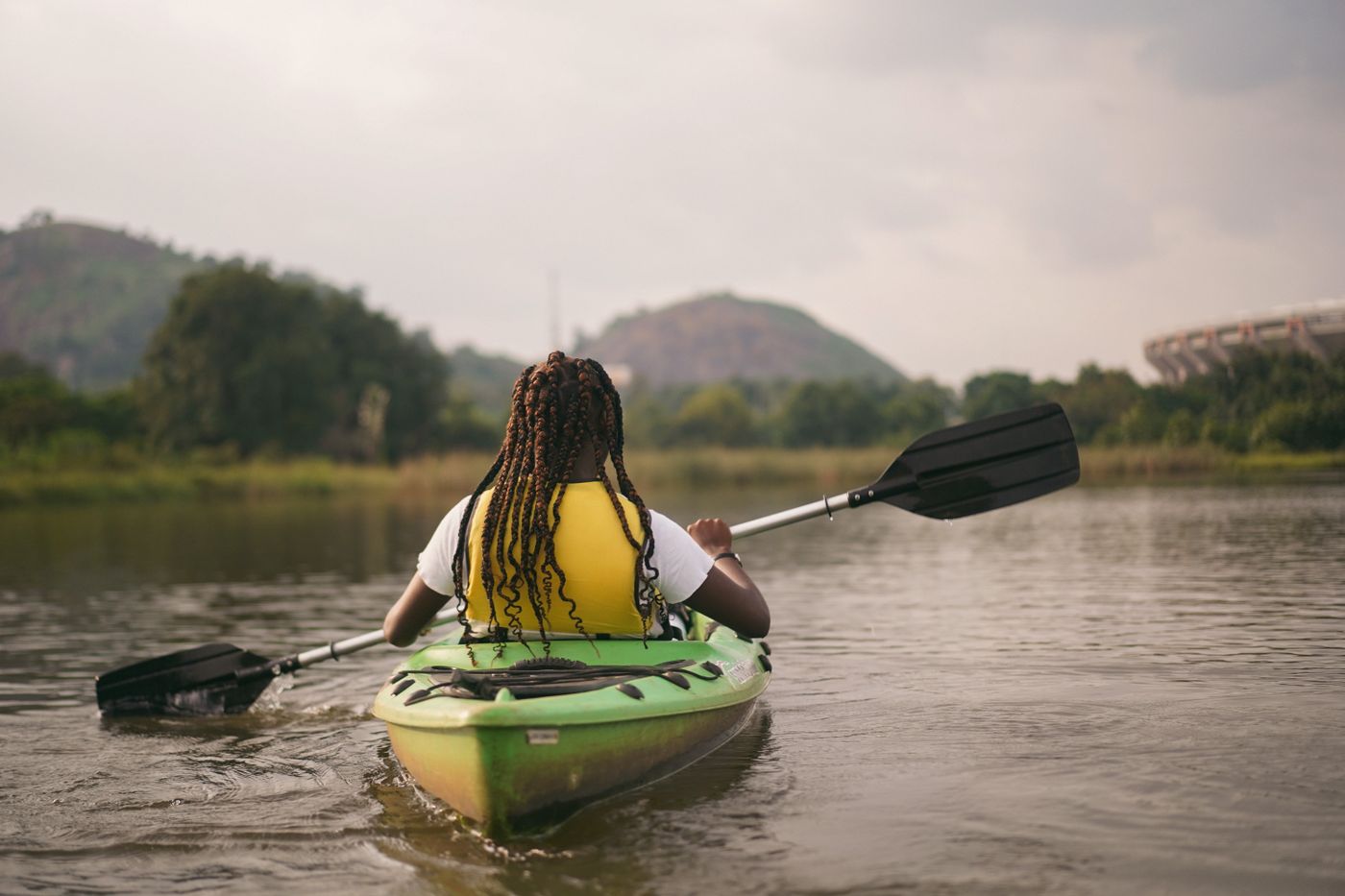
01Wear suitable flotationChoose an approved, properly fitted life jacket for the user and activity.
02Leave a float planShare the route, participants, return time, and action to take if overdue.
03Secure essential equipmentKeep communication, hydration, paddle, pump, and dry storage accessible.
04Know the return routeAccount for wind, current, fatigue, daylight, and changing access conditions.
Swim & Snorkel Safety

Never treat open water like a pool.

Visibility, current, depth, temperature, waves, entry points, marine conditions, and distance from shore can change the demands of swimming and snorkeling.

01Use the buddy systemDo not enter open water alone, even when you are a confident swimmer.
02Choose supervised areasPrefer designated or lifeguarded locations and follow posted warnings.
03Check mask and fin fitTest seals, straps, comfort, visibility, and movement before going farther out.
04Keep flotation appropriateInflatable toys are recreation products, not substitutes for life jackets.
Tow & Surf Safety

Control begins with inspection.

Towables, ropes, handles, boards, bindings, tow points, and flotation should be checked before every session and used only within their listed limits.

01Inspect ropes and tow pointsStop using equipment with cuts, abrasion, looseness, deformation, or damage.
02Follow rider limitsRespect product capacity, user size, activity type, and local requirements.
03Agree on signalsUse clear stop, slow, faster, and assistance signals before movement begins.
04Keep a safe activity zoneMaintain distance from swimmers, shore, structures, vessels, and shallow hazards.
Shore & Water-Play Safety

Comfort should not reduce awareness.

Beach tents, umbrellas, chairs, coolers, floats, games, and camp utility gear should be positioned with weather, supervision, access, and changing water conditions in mind.
01Supervise continuouslyGive children and inexperienced swimmers close, distraction-free attention.
02Anchor shelter correctlyFollow product guidance and take shelter down when wind becomes unsafe.
03Protect from heat and sunPlan shade, hydration, cooling, and appropriate protective clothing.
04Keep access paths clearAvoid blocking visibility, emergency routes, lifeguard zones, or shoreline traffic.
Person wearing a life jacket while paddling a green kayak
Flotation Fit

Fit the flotation before launch.

Choose a life jacket or personal flotation device that is approved for the activity, suitable for the wearer, correctly sized, and secure enough to remain properly positioned in the water.

Read the labelConfirm intended use, size, weight range, and approval information.
Fasten every closureUse all zippers, buckles, straps, and adjustment points as designed.
Check upward movementThe jacket should not ride excessively toward the face or ears.
Inspect before useReplace equipment with damaged fabric, foam, straps, seams, or closures.
Conditions Check

Read conditions before commitment.

Weather and water can change faster than a plan. Review current advisories and turn back early when wind, lightning, waves, current, visibility, temperature, or fatigue moves beyond the group’s ability.
01WeatherCheck forecasts, warnings, storm timing, wind, and lightning risk.
02WaterReview current, tide, waves, depth, temperature, and entry conditions.
03PeopleConsider skill, health, fatigue, confidence, supervision, and group size.
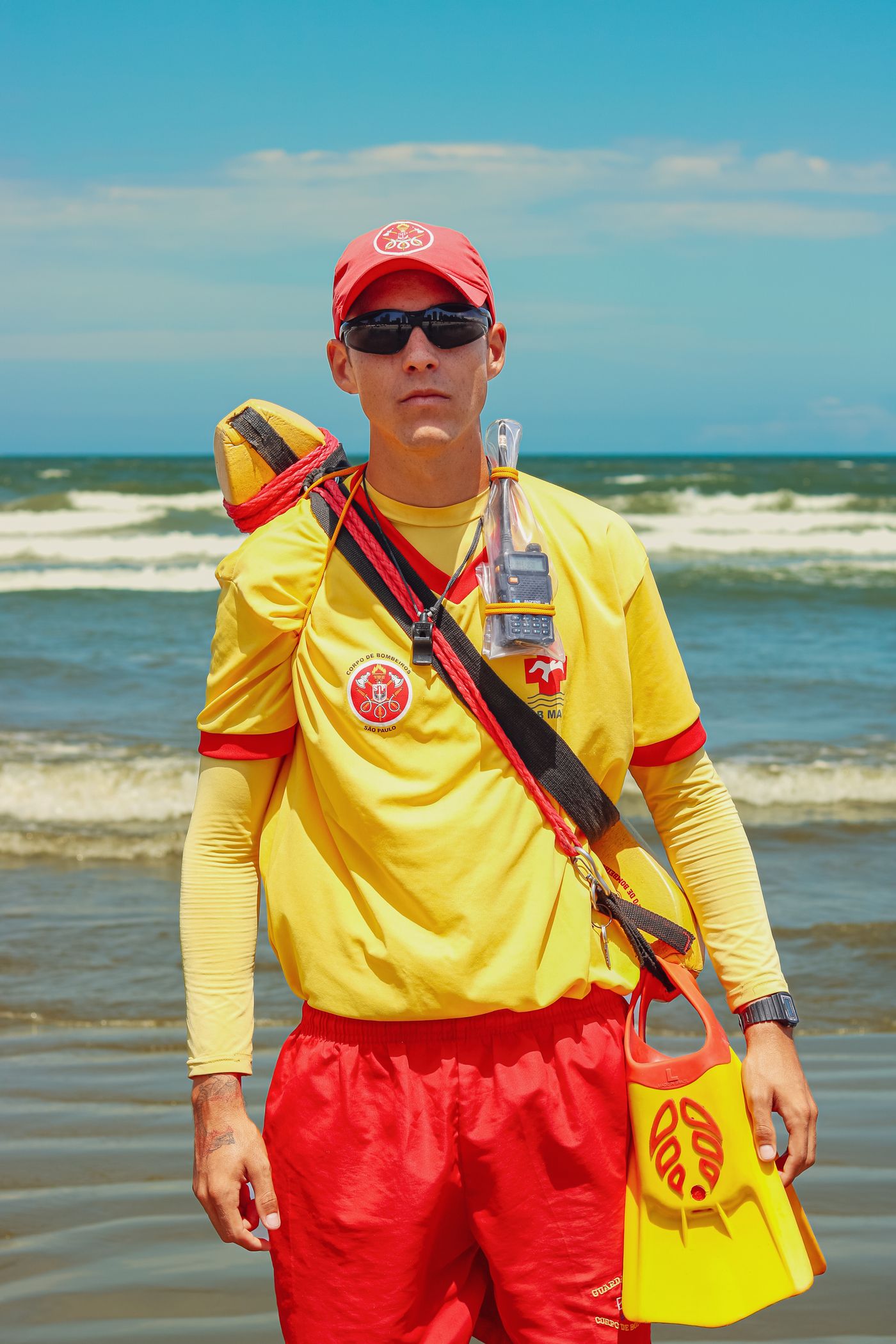
Beach lifeguard carrying professional rescue equipment
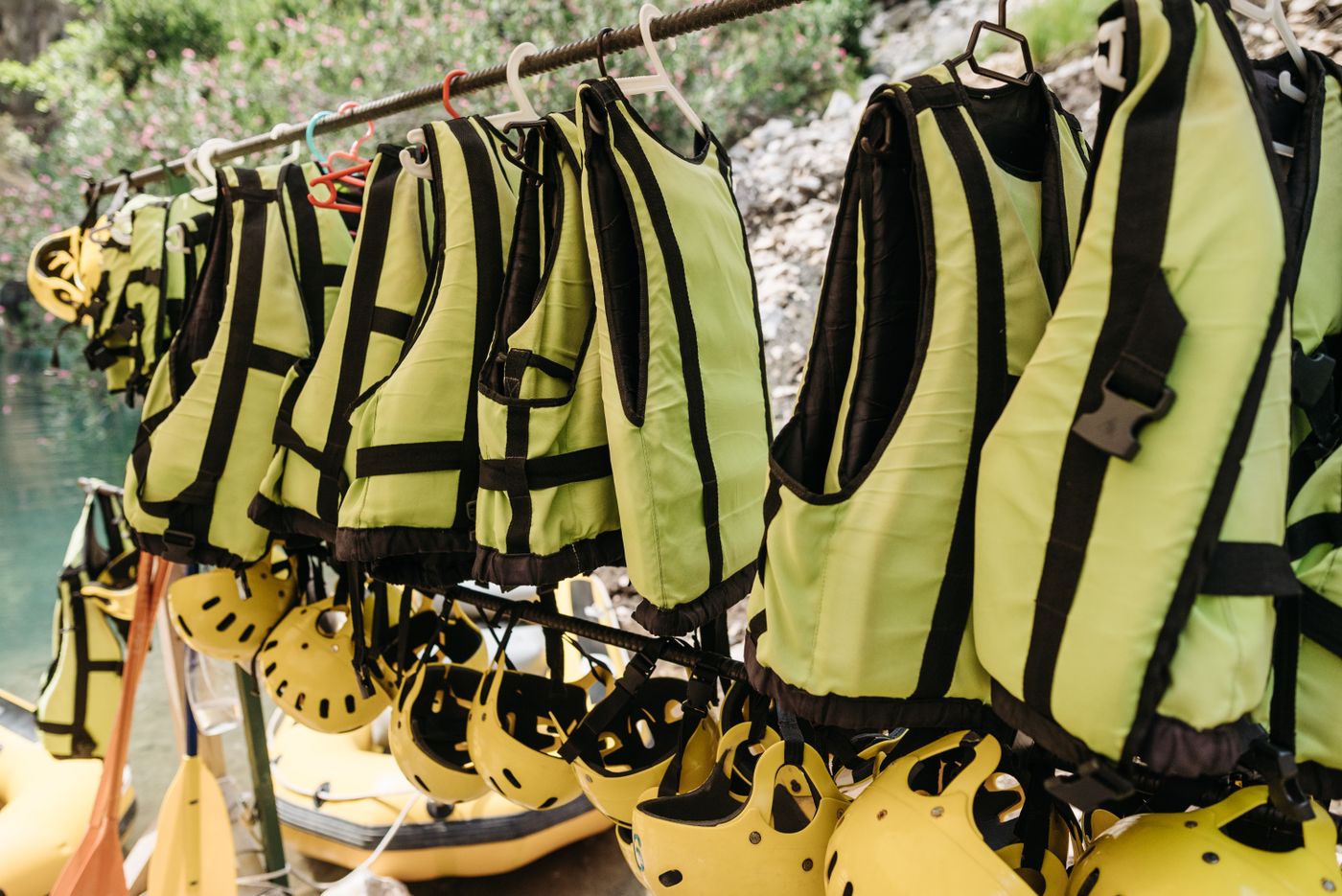
Life vests and helmets organized on an outdoor safety rack
Emergency Readiness

Prepare for the unexpected.

Before entering the water, decide how the group will communicate, respond to separation, assist without creating another victim, and call for professional help when needed.

01Share the route
02Carry communication
03Know exit points
04Call trained help
Pre-Launch Inspection

Inspect every connection.

A short inspection can identify problems before they reach the water. Follow the product manual and check the parts that hold air, carry load, control movement, secure the user, or protect valuables.
01InflatablesValves, pressure, seams, surface, fins, and repair items
02Paddles and boardsShafts, blades, joints, leashes, handles, and attachment points
03Tow equipmentRopes, knots, handles, tow points, covers, and inflation
04Dry protectionClosures, seals, cases, attachment points, and test checks
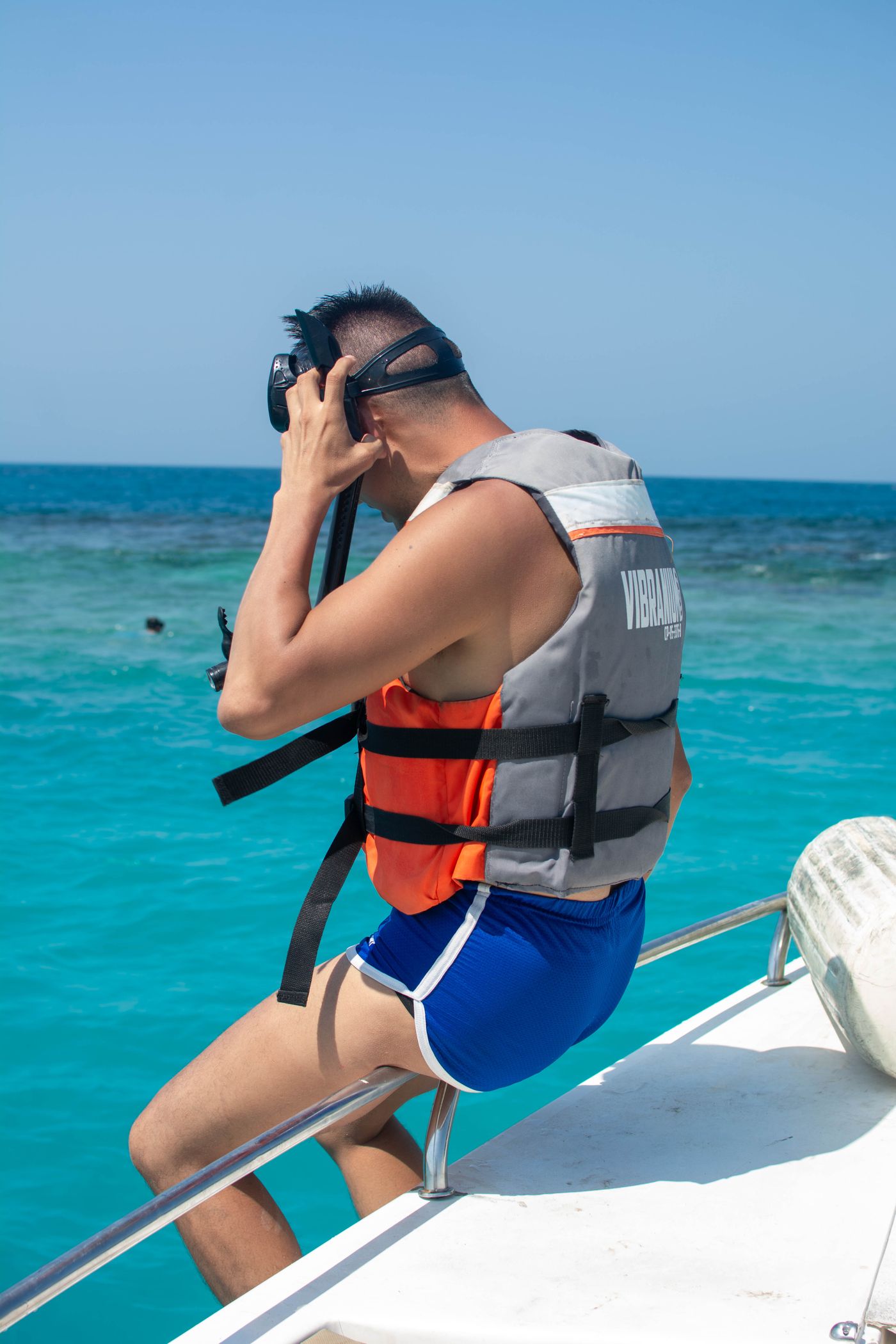
Man wearing a life jacket with snorkeling gear on a boat
Safety Answers

Questions worth asking.

These concise answers cover common preparation, flotation, supervision, weather, and equipment questions.

Are inflatable toys a replacement for a life jacket?

No. Recreational floats, water wings, tubes, and air-filled toys are not substitutes for a properly fitted, approved life jacket or close supervision.

Should strong swimmers use a buddy?

Yes. Open water can introduce current, temperature, waves, reduced visibility, sudden fatigue, and changing conditions. Do not swim or snorkel alone.

What should be included in a float plan?

Include the activity area, route, participants, equipment or craft description, departure time, expected return, communication details, and when a responsible person should seek help.

When should an outing be postponed?

Postpone or stop when official warnings, lightning, strong wind, unsafe waves or current, poor visibility, cold conditions, damaged gear, inadequate supervision, or participant fatigue creates risk beyond the group’s ability.

How often should water gear be inspected?

Inspect safety-critical parts before every use and again during cleaning or storage. Follow the manufacturer’s care, service, and replacement guidance for each product.

Does this guide replace professional training?

No. Use qualified swimming, boating, first-aid, rescue, or activity-specific instruction where appropriate, and follow official local guidance and product instructions.

Product Guidance

Need help understanding your gear?

Oceanora support is available 24/7 for product information, sizing guidance, included components, care questions, order assistance, delivery concerns, and returns.

Contact Oceanora
Oceanora Service Standard

Support around every water day.

Practical order benefits help keep preparation, delivery, savings, and post-purchase support clear and dependable.