

Wave riding
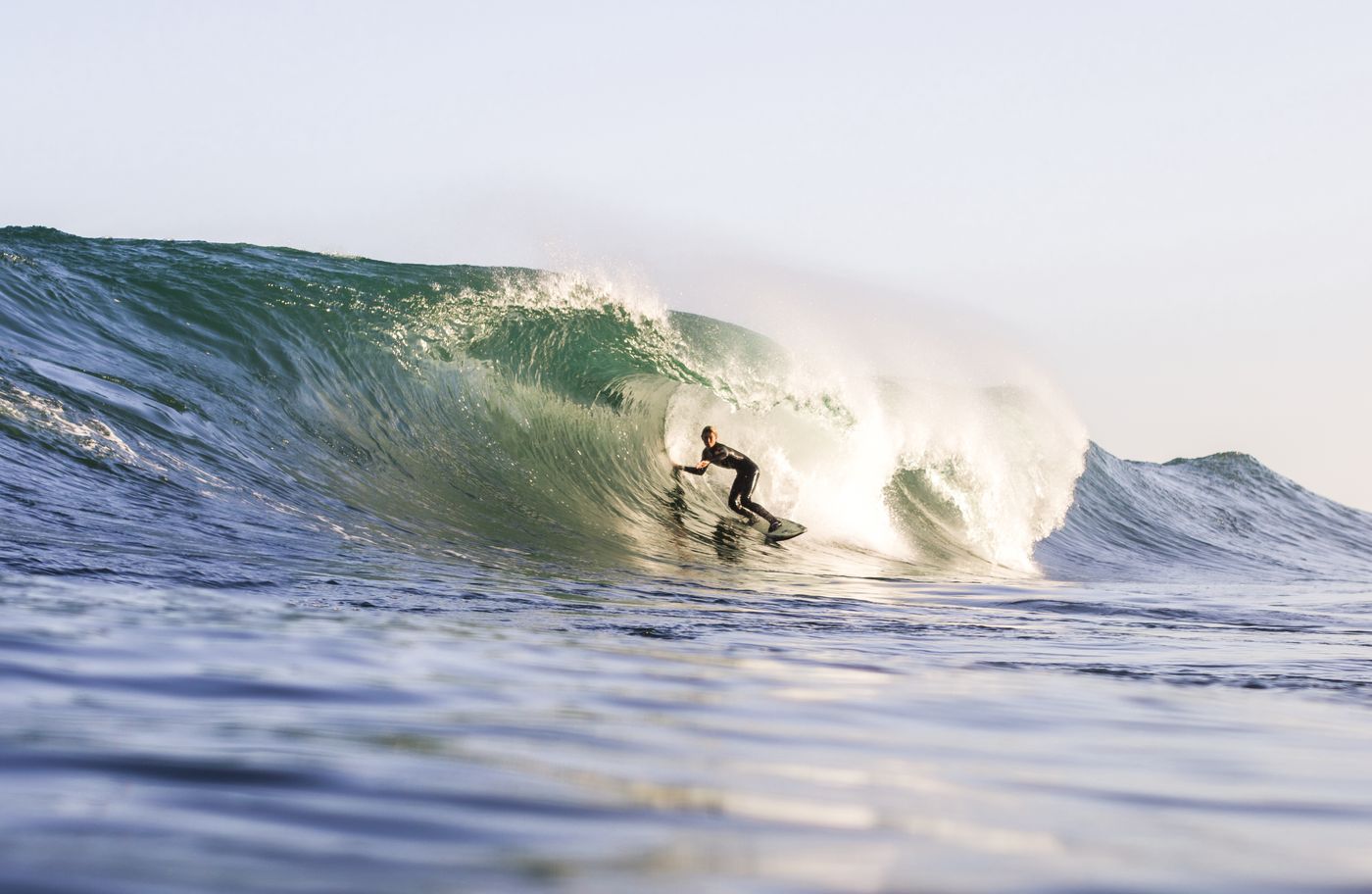
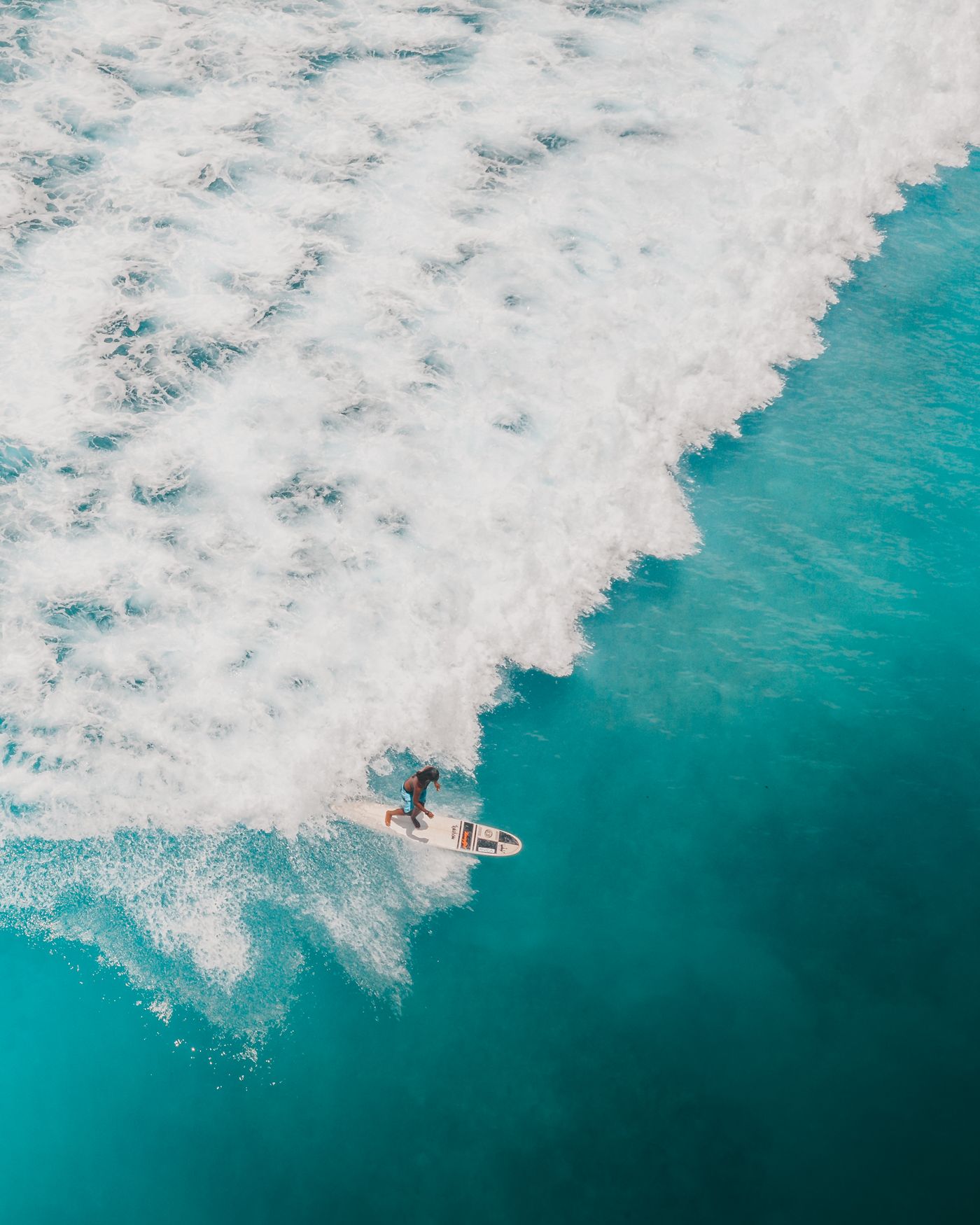
Surfboards, bodyboards, skimboards, leashes, fins, traction, wax, and protective waterwear.
Wave and shoreline conditionsBoard volume and rider abilityControl and foot placement
Compare surf, towable, wake, kneeboard, and water-ski equipment by rider ability, product limits, control, connection points, water conditions, safety, transport, and care.
Choose the activity before comparing products. Each system places different demands on the rider, board, rope, tow point, flotation, and water environment.
Surfboards, bodyboards, skimboards, leashes, fins, traction, wax, and protective waterwear.
Inflatable tubes, tow ropes, handles, pumps, covers, attachment systems, and suitable flotation.
Wakeboards, bindings, kneeboards, ropes, handles, helmets, and activity-specific flotation.
Skis, bindings, tow ropes, gloves, flotation, protective equipment, and correctly matched towing hardware.
Shape, size, volume, flex, rails, fins, deck surface, and rider position work together. Use the complete design rather than one measurement alone.
A tow setup is only as dependable as the compatibility and condition of the craft, tow point, rope, handle, product, and rider equipment.
Confirm the vessel, powered system, operator, local rules, and activity suitability.
Use only a compatible, secure attachment intended for the specific activity and load.
Match rope type, length, strength, handle, and condition to the product and sport.
Check inflation, bindings, covers, seams, handles, attachment points, and rider limits.
Use suitable flotation, agreed signals, protective gear, and a clear activity zone.

Wakeboarding and kneeboarding depend on board selection, secure bindings or straps, rope and handle choice, rider ability, tow speed, water conditions, and clear communication.
Towable tubes should be matched to rider count, product limits, tow rope, attachment method, inflation guidance, water conditions, and suitable flotation for every participant.
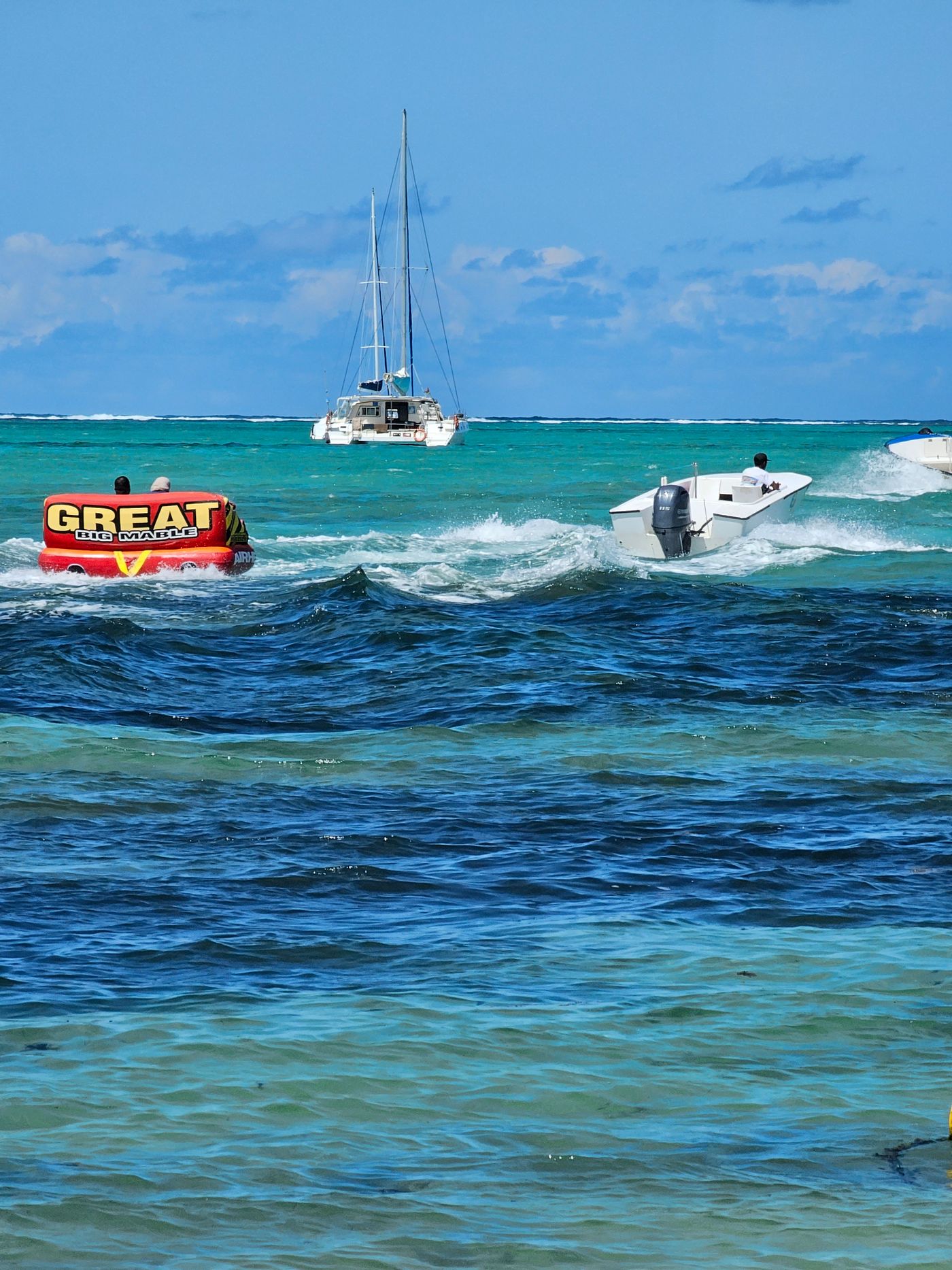
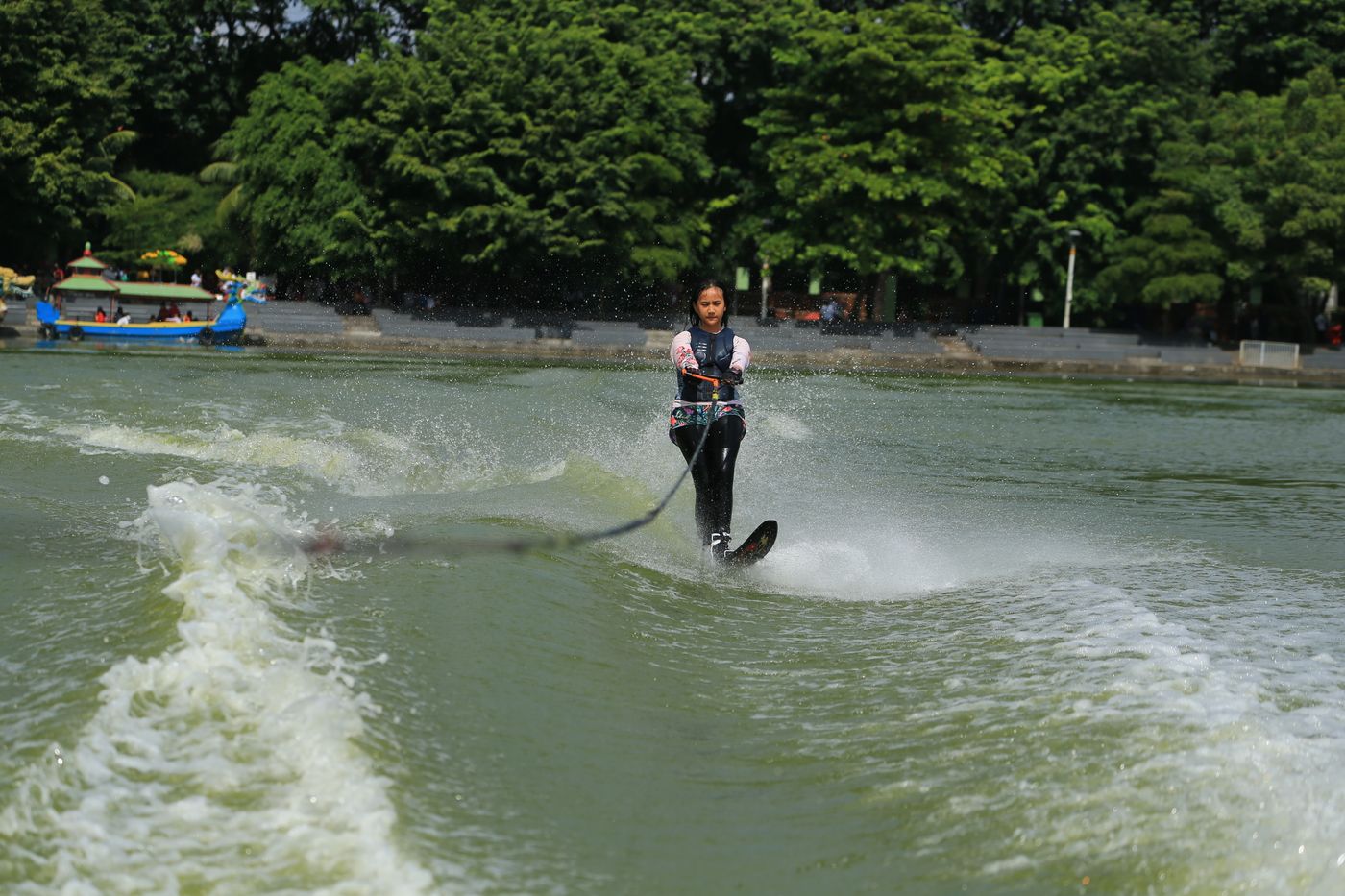
Review weather, water, visibility, local rules, operator experience, tow zone, communication, product limits, flotation, and the recovery plan before movement begins.
Follow product instructions. Remove sand and salt, rinse appropriately, dry fully, inspect load-bearing and fitted parts, and store equipment away from damaging heat, moisture, compression, and sunlight.
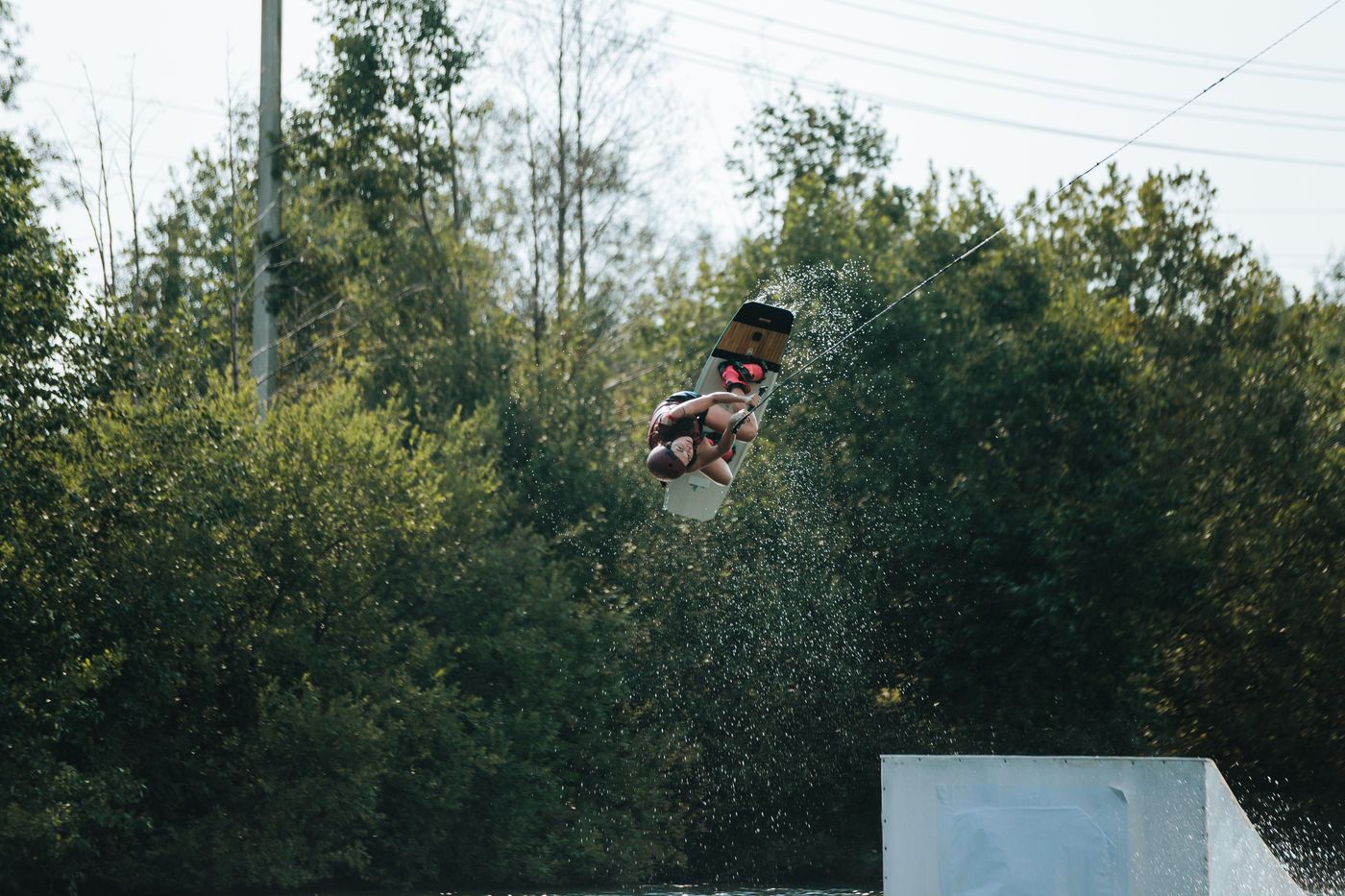
Use these concise answers while comparing boards, tubes, ropes, bindings, rider capacity, safety equipment, and care needs.
Match the board to rider size, experience, wave conditions, intended riding style, board volume, dimensions, shape, fins, and the manufacturer’s use guidance.
No. Rope construction, length, stretch, strength, handle, and attachment requirements vary. Use equipment intended for the specific activity and product.
Follow the listed rider count, size, and load limits. Do not exceed the product guidance or add riders beyond the designed seating and handle arrangement.
Inspect the board or tube, inflation, seams, covers, bindings, straps, fins, tow points, rope, handle, flotation, and all load-bearing connections.
Stop when weather, water, visibility, equipment condition, rider fatigue, communication, operator control, or local conditions move beyond the planned limits.
Rinse and dry them according to product guidance, inspect for wear, avoid sharp bends or heavy compression, and store away from heat, sunlight, chemicals, and moisture.
Oceanora support is available 24/7 for product details, sizing, capacity, compatibility, care, orders, delivery, returns, and exchanges.