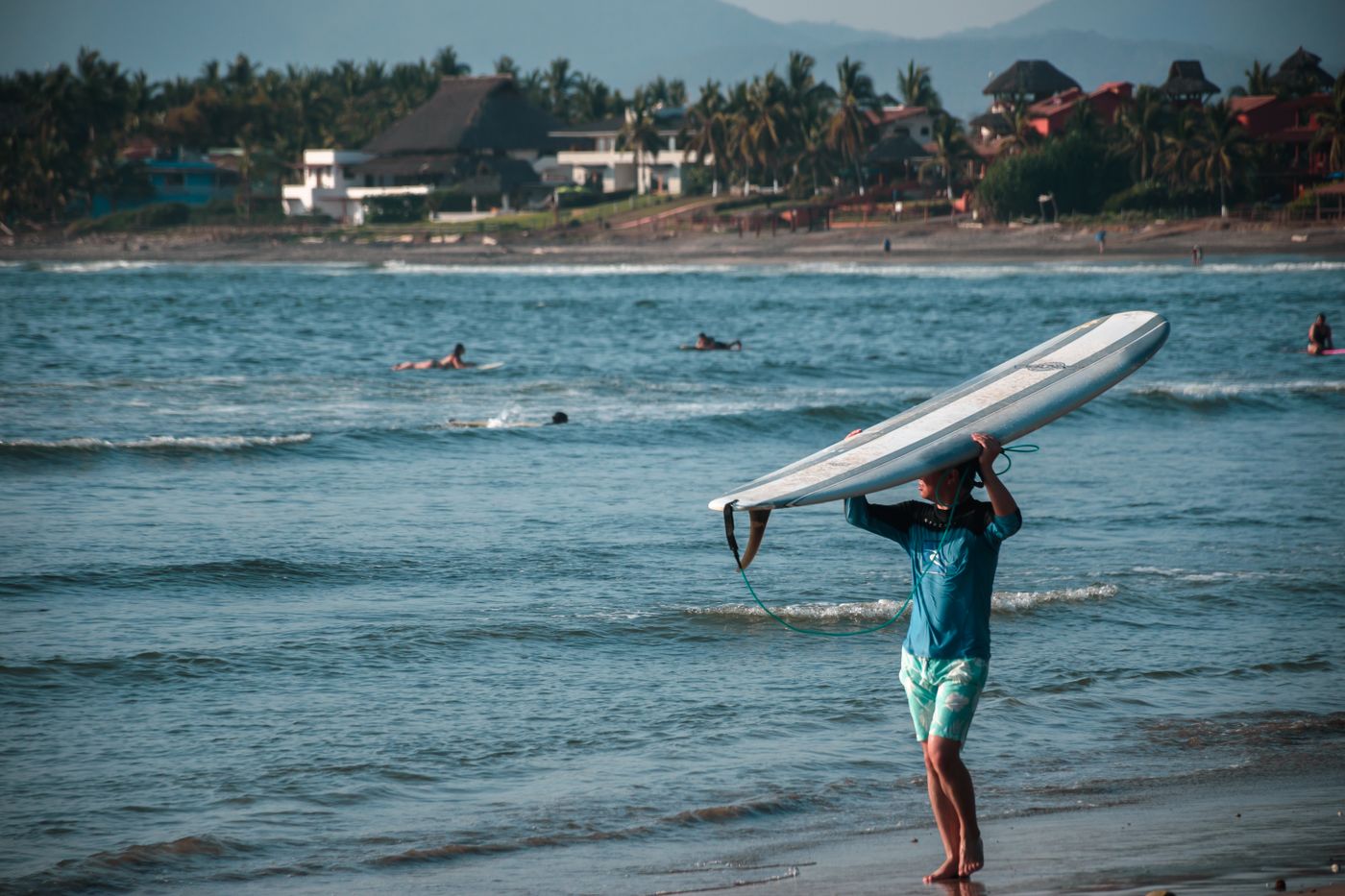
Person carrying a paddle board beside a bright ocean shorelineFind your water rhythm
Paddleboarding Gear

Build the board around your water.

Choose paddleboarding gear by activity, stability, capacity, packed size, setup time, transport, and the accessories that complete every outing.

Board firstMatch shape, size, stability, and capacity to the activity.
System nextAdd the right paddle, pump, fin, leash, bag, and safety gear.
Care alwaysRinse, dry, inspect, and store after every outing.
01

Where will you paddle?

Calm lakes, protected coastlines, slow rivers, fitness sessions, touring routes, or family recreation.
02

Who will use the board?

Consider experience, body size, balance, confidence, passenger needs, pets, and total carried load.

03

How will it travel?

Check packed dimensions, carry weight, vehicle space, walking distance, handles, straps, and storage room.

04

What completes the setup?

Plan the paddle, pump, fin, leash, flotation, repair items, dry storage, hydration, and transport bag.

All-Round Boards

Balanced for relaxed exploration.

A versatile all-round board generally prioritizes approachable stability, straightforward turning, practical size, and flexibility across calm recreational settings.

01Choose reassuring widthMore width can support stability, confidence, and casual use.
02Review board lengthBalance maneuverability, glide, storage, and user size.
03Check included accessoriesCompare paddle, pump, fin, leash, repair kit, and bag.
04Confirm total capacityLeave practical room below the stated maximum load.
Touring Boards

Designed around glide and direction.

Touring boards often use a longer, more streamlined shape to support efficient forward movement, straighter tracking, and greater distance.

01Prioritize trackingReview length, outline, nose shape, and fin configuration.
02Plan deck storageSecure hydration, dry bags, layers, and essential equipment.
03Match paddle efficiencyConsider paddle weight, adjustability, blade size, and comfort.
04Respect return conditionsAccount for wind, current, fatigue, daylight, and route length.
Fitness Boards

More deck space for controlled movement.

Yoga and fitness use benefits from a stable platform, comfortable deck surface, generous usable area, and attachment points that stay clear of movement zones.

01Look for usable widthStability and open deck space support slower controlled movement.
02Review deck textureCheck grip, cushioning, seams, and comfortable contact areas.
03Keep fittings unobtrusiveHandles, cords, and mounts should not interrupt key positions.
04Choose calm conditionsUse a setting that matches balance, ability, and supervision needs.
Family Boards

Plan for shared weight and movement.

Boards used with a child, passenger, pet, cooler, or additional equipment need suitable capacity, usable deck area, stability, and secure storage points.

01Add every carried itemCalculate the complete combined load, not the rider alone.
02Protect deck spaceKeep feet, passengers, pets, and storage from competing.
03Use individual flotationEvery participant needs suitable, properly fitted flotation.
04Start in calm waterBuild balance and communication close to an easy exit point.
Board Anatomy

Specifications that shape the ride.

Measurements work together. Compare the complete design rather than relying on one performance number.

Length

Influences glide, tracking, turning, transport, storage, and how the board fits the rider and intended use.

Width

Supports stability and deck room, while also influencing speed, paddle reach, balance, and maneuverability.

Outline

The nose, tail, rails, and overall silhouette influence tracking, turning, water release, and activity focus.

Fin Setup

Fin size, number, placement, installation, and water depth affect tracking, turning, stability, and transport.

Deck System

Review grip, handles, cargo cords, mounts, leash points, seat attachments, and usable standing space.
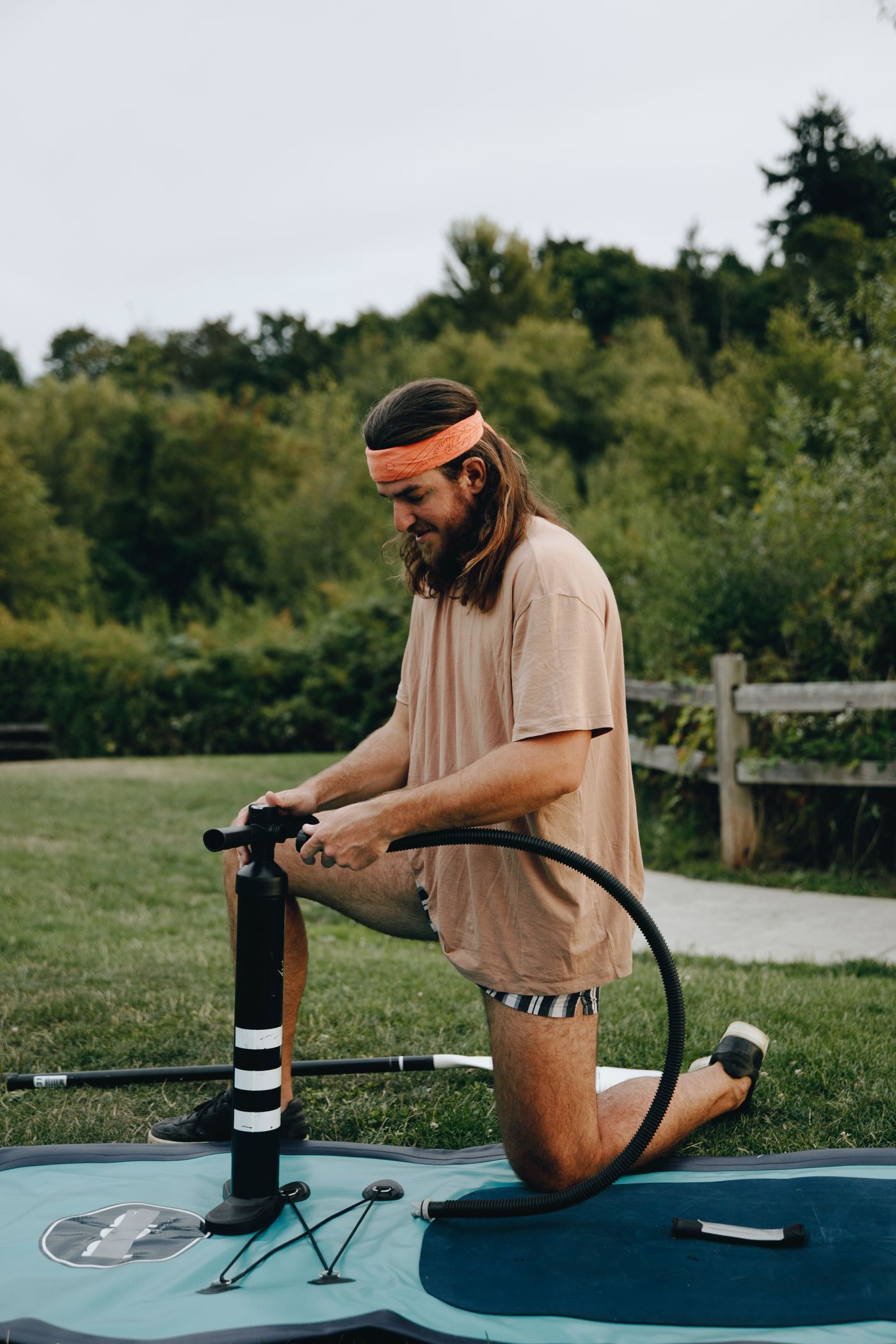
Man inflating a paddle board with a hand pump outdoors
Inflation & Setup

Pressure creates the platform.

Follow the board’s instructions and pressure range. Use the correct pump and valve connection, keep the inflation area clear, and inspect the board before carrying it toward the water.

Prepare a clean surfaceRemove sharp debris, hot objects, sand buildup, and anything that could damage the board.
Connect the valve correctlyConfirm valve position, hose connection, sealing, and pump compatibility before inflating.
Use the stated pressureDo not guess. Follow the product-specific pressure guidance and pump gauge.
Inspect before launchCheck seams, deck, fin, leash point, handles, inflation, and included hardware.
Complete Paddle Kit

Build beyond the board.

A useful setup combines propulsion, inflation, tracking, safety, carrying, storage, hydration, and repair.
01Adjustable paddleMatch user height, comfort, blade size, weight, and activity.
02Compatible pumpConfirm valve, hose, gauge, pressure range, and power needs.
03Correct finReview installation, water depth, tracking, turning, and replacement.
04Personal flotationChoose suitable, properly fitted flotation for every participant.
05Dry storageProtect communication, keys, clothing, first-aid items, and valuables.
06Repair and transportKeep product-specific repair items, straps, and the carry bag ready.
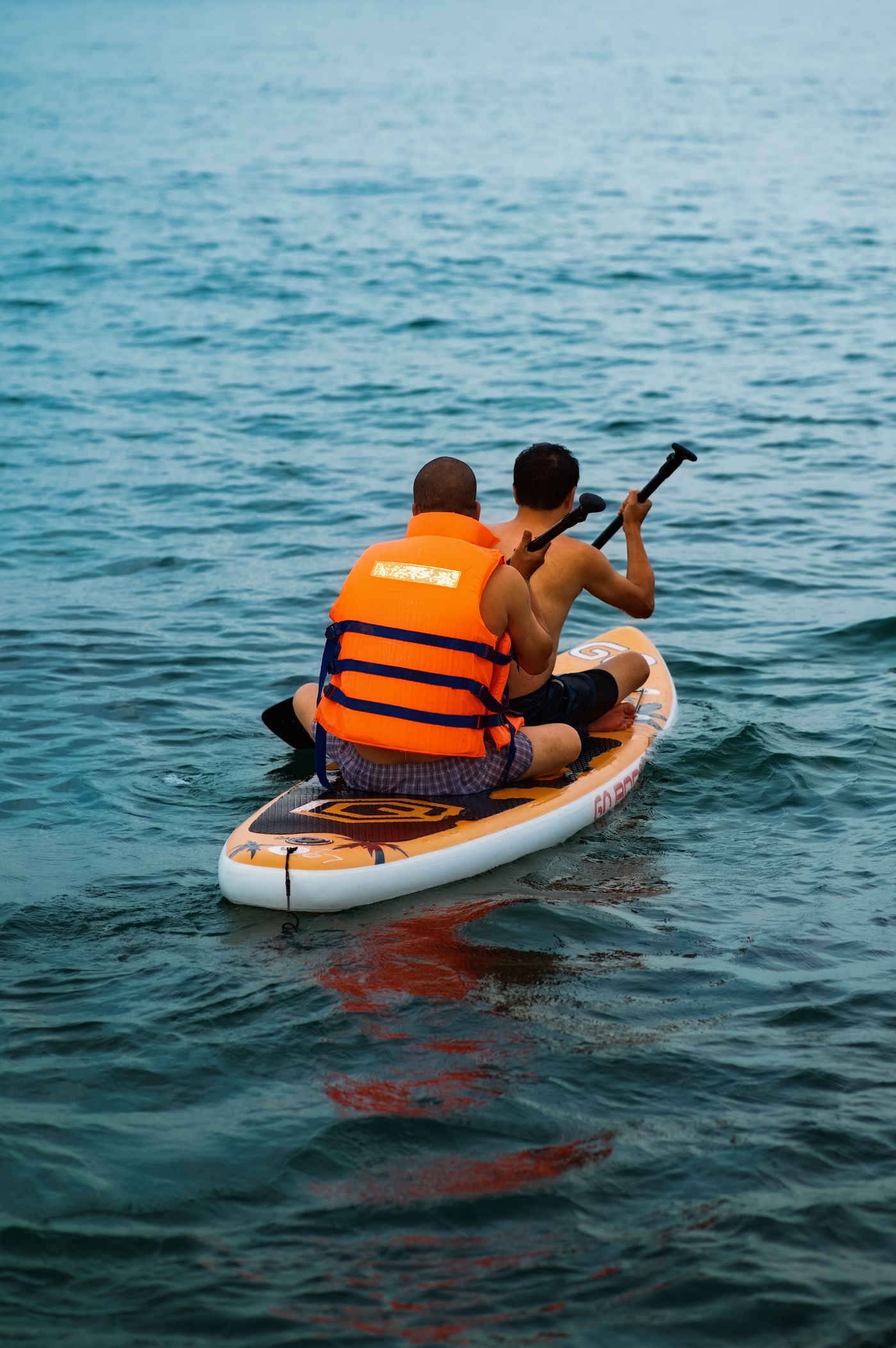
Two people paddleboarding on open sea while wearing life vests
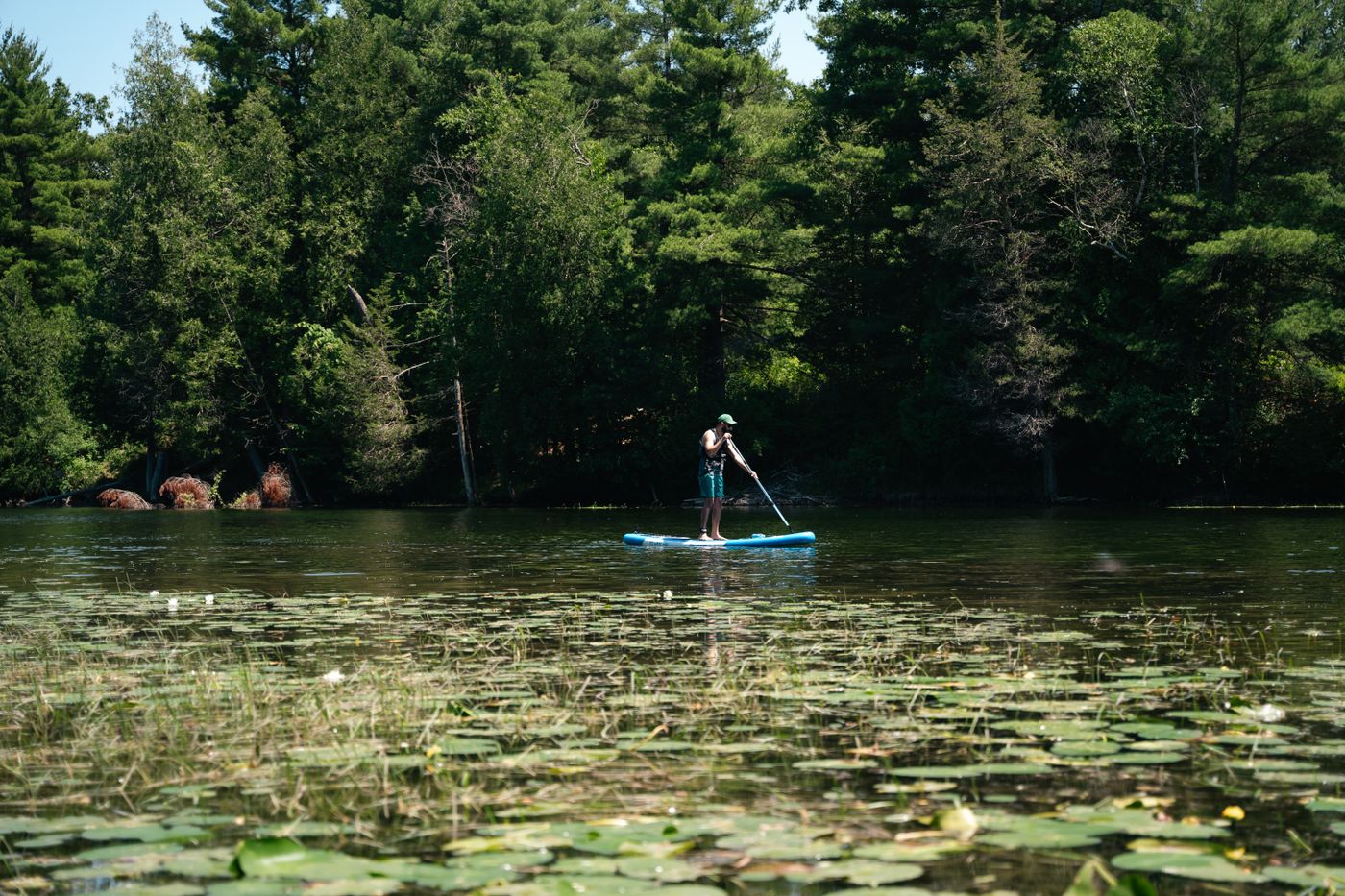
Paddleboarder moving across a peaceful forest lake
On-Water Readiness

Prepare the person and the route.

Review weather, wind, water, access, daylight, ability, communication, supervision, and the return route before every outing.

01Wear suitable flotationUse approved, properly fitted equipment for the person and activity.
02Share the float planLeave the route, participants, return time, and contact plan with someone.
03Check leash guidanceUse only as appropriate for the board, water type, local rules, and conditions.
04Turn back earlyRespond before wind, current, fatigue, weather, or daylight becomes a problem.
Post-Paddle Care

Reset the gear after every session.

Follow product instructions. Remove sand and salt, rinse appropriately, dry fully, inspect high-stress areas, and store without damaging heat or pressure.
01Rinse and clean
02Dry completely
03Inspect every fitting
04Store without stress
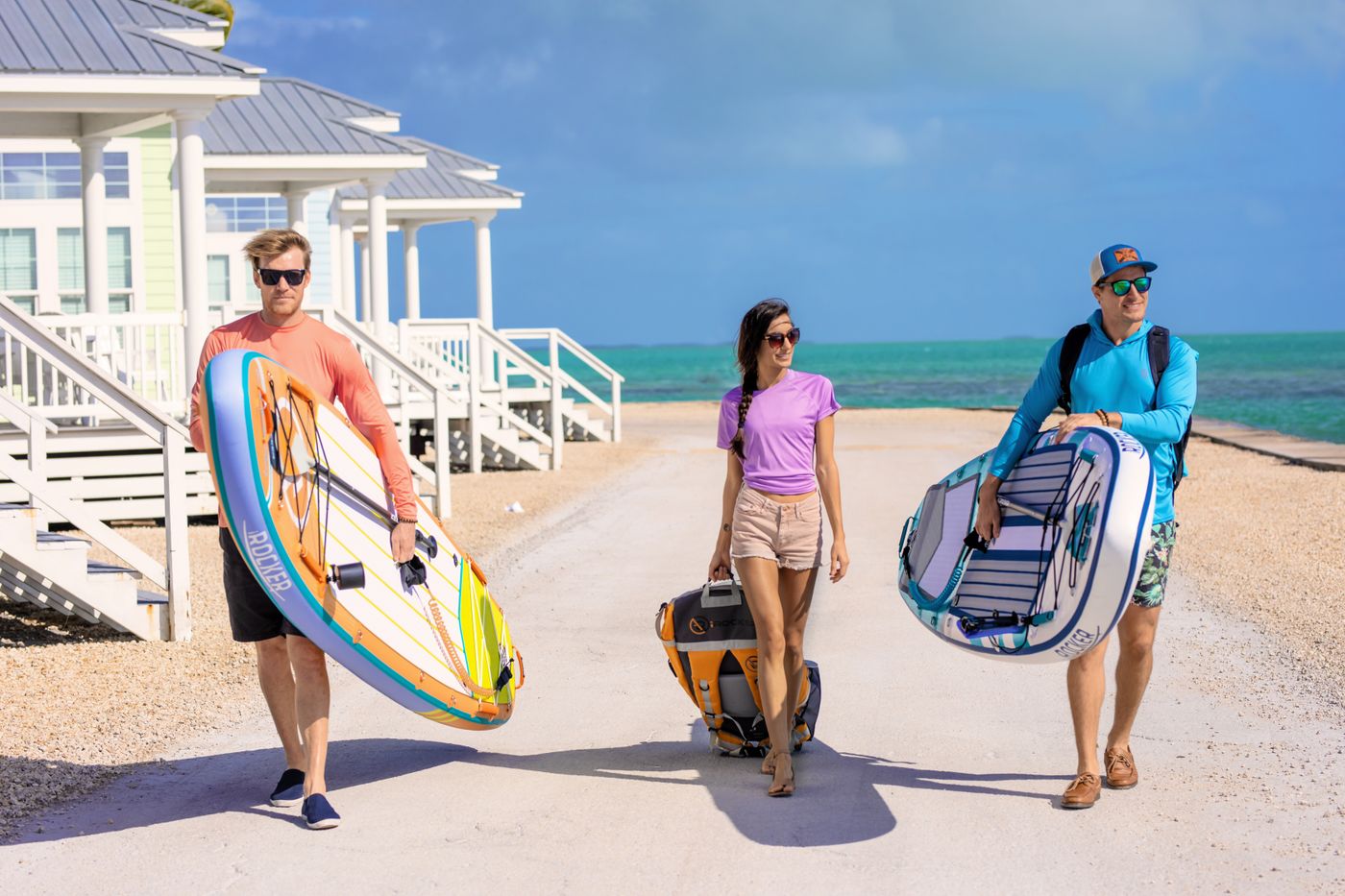
Friends carrying paddle boards along a sunny beach path
Paddleboard Answers

Questions before the first launch.

Use these concise answers while comparing boards, assembling accessories, preparing the setup, and planning care.

What type of paddleboard is best for a beginner?

Many beginners prioritize stability, manageable size, straightforward turning, practical capacity, and a complete accessory package. Match the board to the user, water, transport, and product guidance.

How should I compare board capacity?

Add the rider, passenger, pet, bags, cooler, clothing, hydration, safety gear, and every carried accessory. Avoid planning directly at the stated maximum.

Do all pumps fit every inflatable board?

No. Confirm the valve type, hose fitting, pressure range, gauge, adapter requirements, and the board manufacturer’s instructions before using a pump.

Can a paddleboard be stored while damp?

Avoid long-term storage while damp. Trapped moisture can contribute to odor, staining, mildew, and material problems. Dry the board and accessories fully before storage.

When should I stop using damaged gear?

Stop when damage affects inflation, load-bearing parts, stability, attachment points, paddle integrity, flotation, or another intended function. Follow the product’s repair and replacement guidance.

Paddle Gear Support

Need help narrowing the setup?

Oceanora support is available 24/7 for product details, sizing, accessories, care, orders, delivery, returns, and exchanges.

Contact Oceanora
Oceanora Service Standard

Practical support around every board.

Clear delivery, flexible returns, automatic savings, and support make paddleboarding gear easier to choose.