

Shade the group.
Match tents, umbrellas, and anchors to the people, wind, sun, setup space, and carrying distance.
Choose shelter, seating, cooling, towels, changing gear, dry storage, hydration, and lighting around the destination, group, weather, carrying distance, and time outdoors.
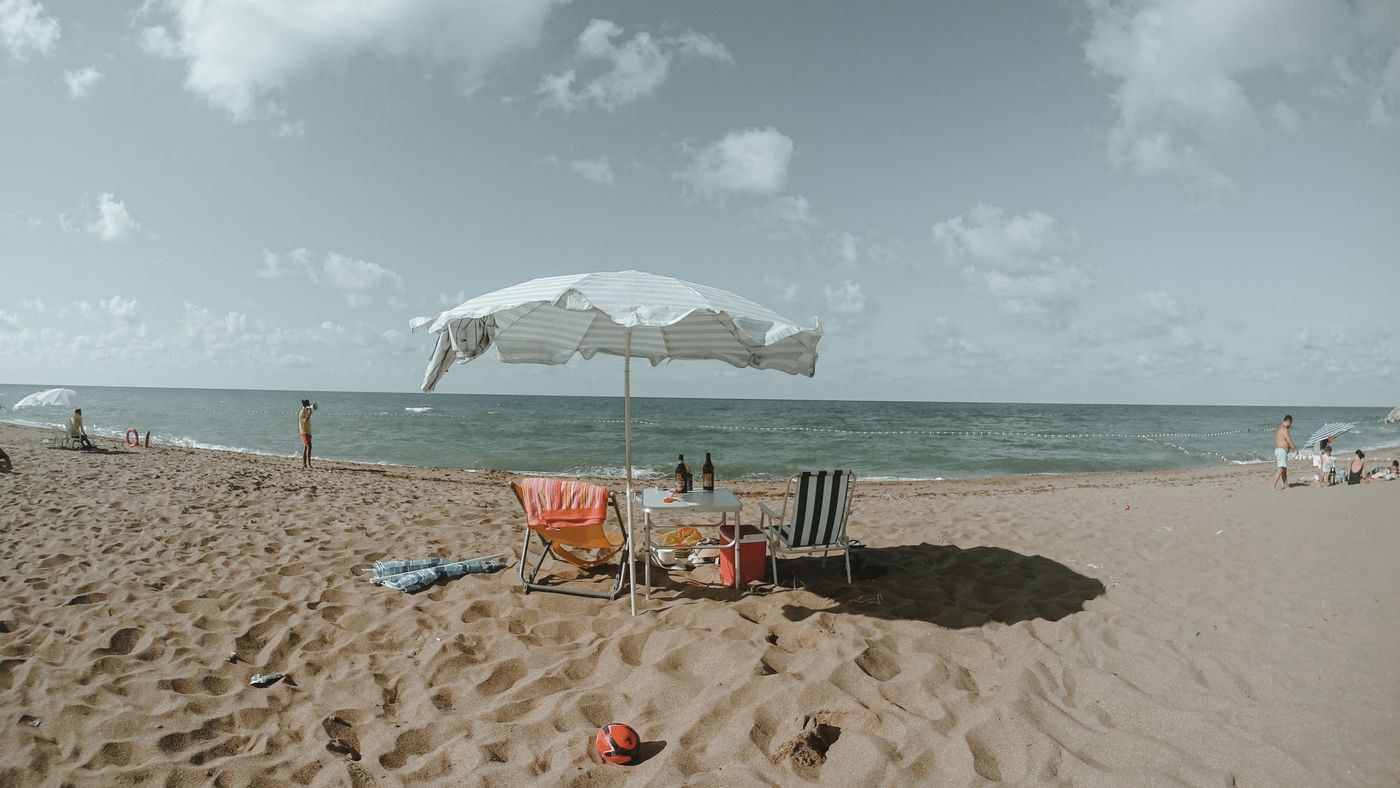
Match tents, umbrellas, and anchors to the people, wind, sun, setup space, and carrying distance.
Choose chairs, blankets, towels, and changing gear around comfort, drying, storage, and mobility.
Plan cooler size, ice, hydration, food separation, access, wheels, handles, and cleaning.
Separate wet and dry items, secure valuables, add lighting, and keep important equipment easy to reach.
Build the setup in systems. This keeps shade, comfort, cooling, protection, utility, and cleanup from competing for the same space.
Beach tents, umbrellas, canopies, anchors, sand pockets, guy lines, vents, and packed dimensions should match the destination and weather.
Exposure zoneCompare chair height, frame strength, fabric, recline, cup holders, pockets, carrying straps, and packed weight.
Comfort zoneChoose coolers by capacity, insulation, drainage, handles, wheels, food separation, cleaning, and the length of the day.
Refreshment zonePlan absorbency, drying speed, coverage, compact storage, privacy, wet-item separation, and extra layers.
Transition zoneUse suitable dry bags, cases, pouches, and sealed storage for communication, keys, electronics, documents, and clean clothing.
Protection zoneAdd hydration, lanterns, portable lighting, charging, repair items, cleanup bags, and camp tools that fit the environment and local rules.
Utility zoneTents and umbrellas should provide useful shade without becoming difficult to carry, position, ventilate, anchor, or pack when conditions change.
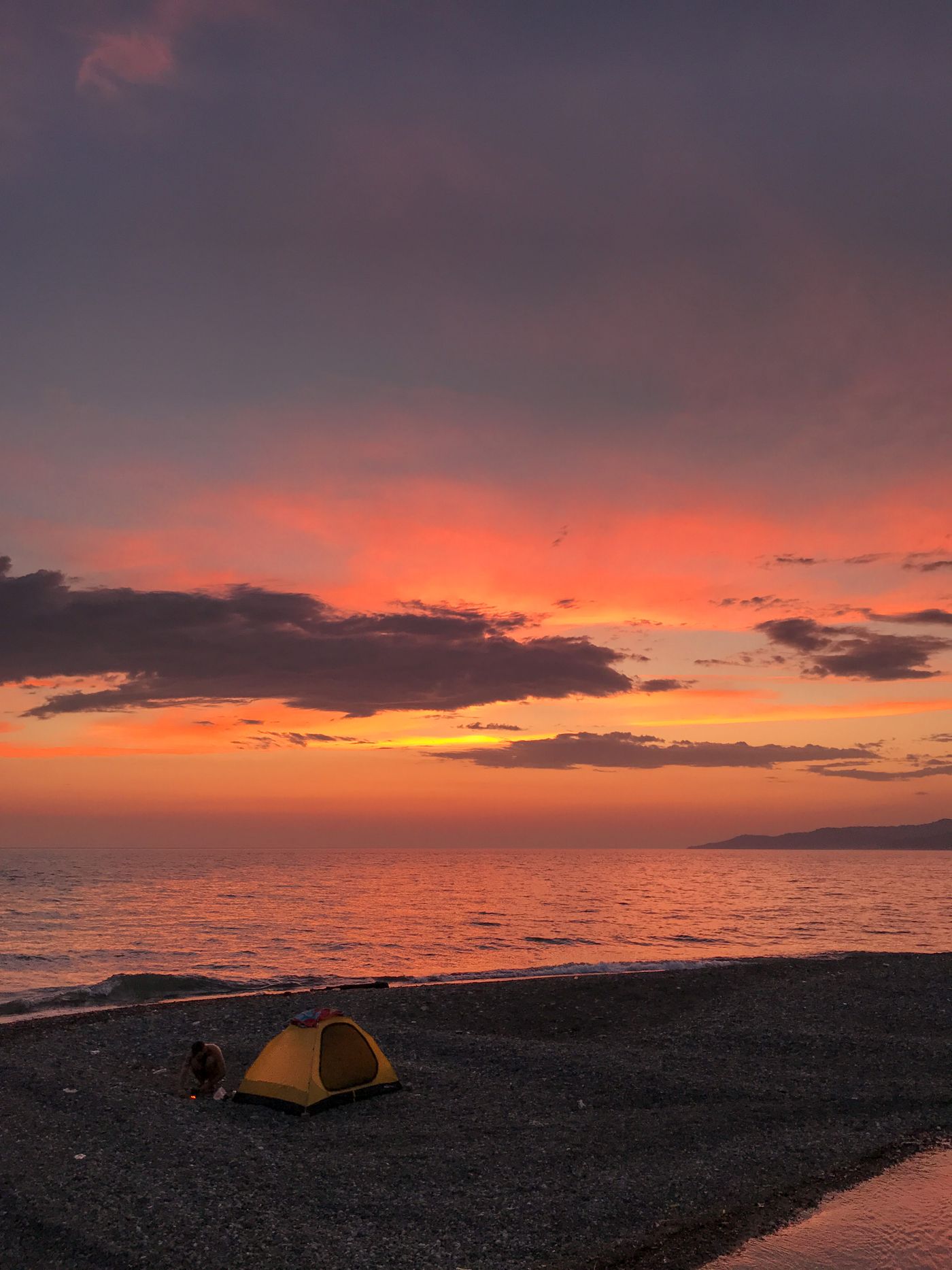
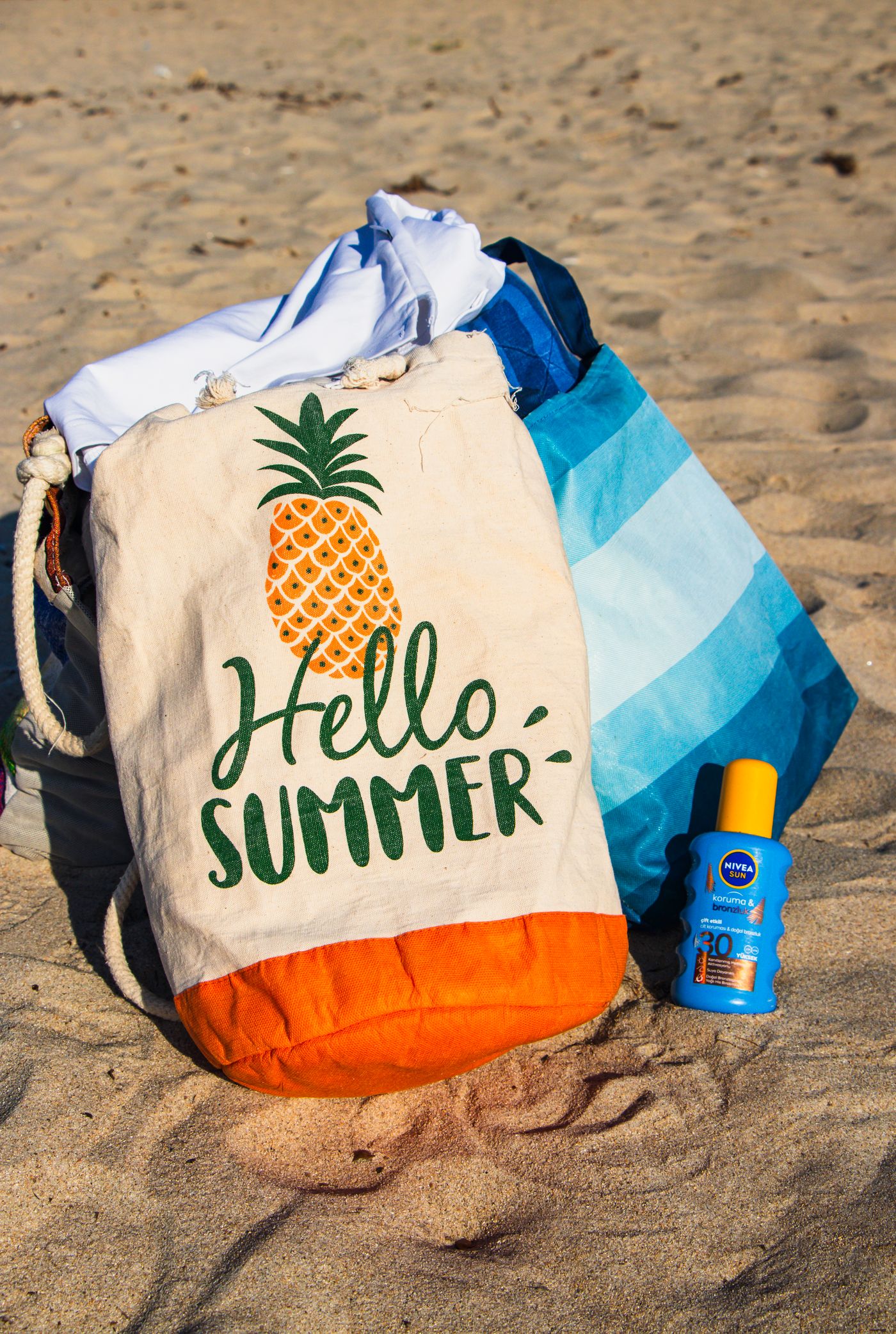
A clear sequence reduces searching, keeps essentials accessible, and helps separate clean, wet, chilled, fragile, and frequently used items.
Capacity should include food, drinks, ice, cooling packs, containers, and the space required to keep items organized and accessible.
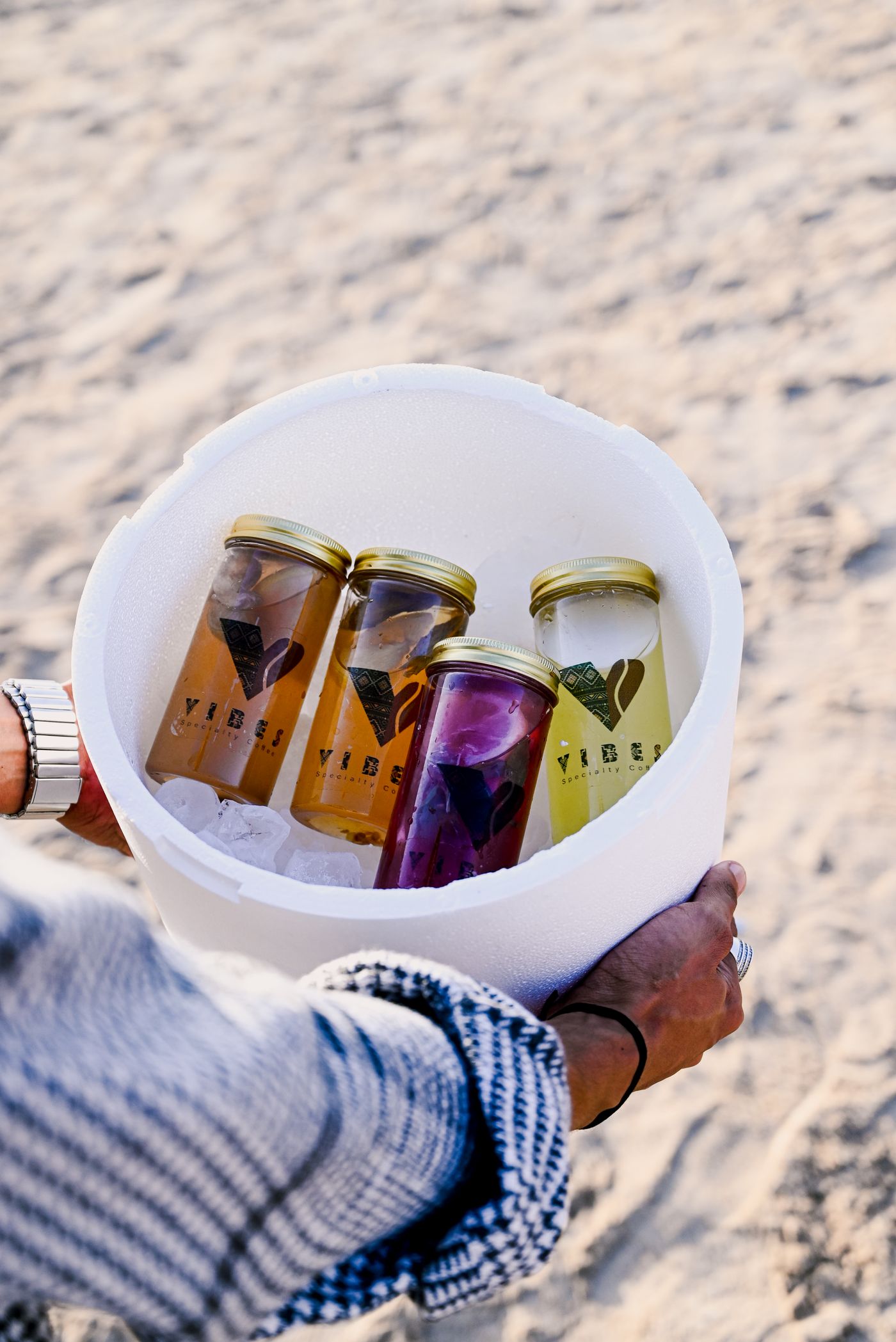
Organizing by condition protects valuables, improves access, and makes cleanup faster when the group is tired or the weather changes.
Communication, keys, documents, electronics, first-aid items, and clean clothing.
Swimwear, towels, water shoes, rash guards, and used water gear.
Umbrella, tent, anchors, chairs, mats, blankets, and setup tools.
Cooler, bottles, containers, ice, snacks, cleanup cloths, and waste bags.
Lighting, charging, layers, repair items, insect protection, and camp tools.
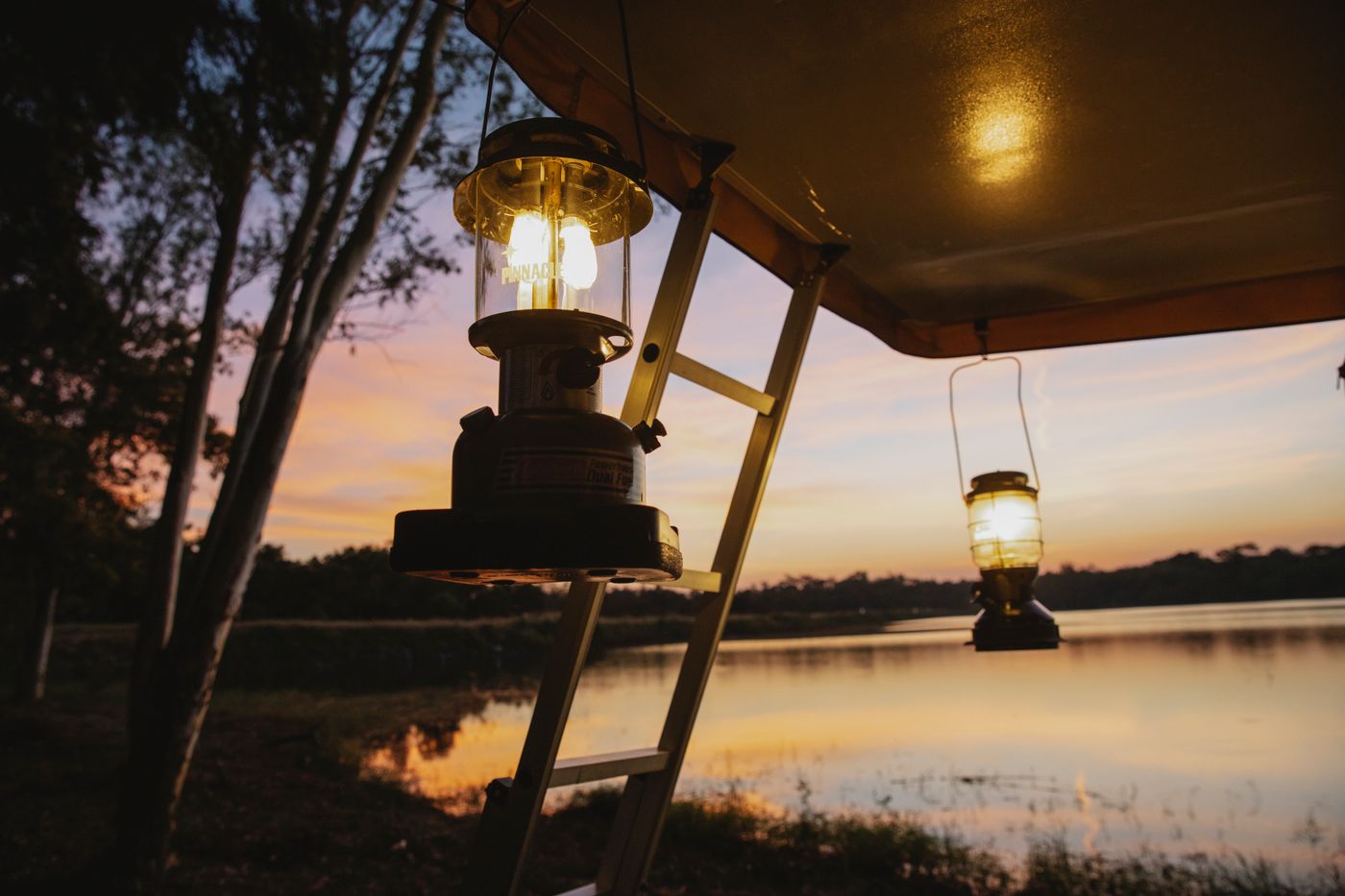
Evening gear should improve visibility, comfort, communication, and pack-down without creating glare, loose cables, unstable placement, or unnecessary bulk.
Follow product instructions. Remove sand, salt, food, and moisture; dry fully; inspect closures and frames; then store shelter, seating, cooling, lighting, and fabric gear without damaging pressure or heat.
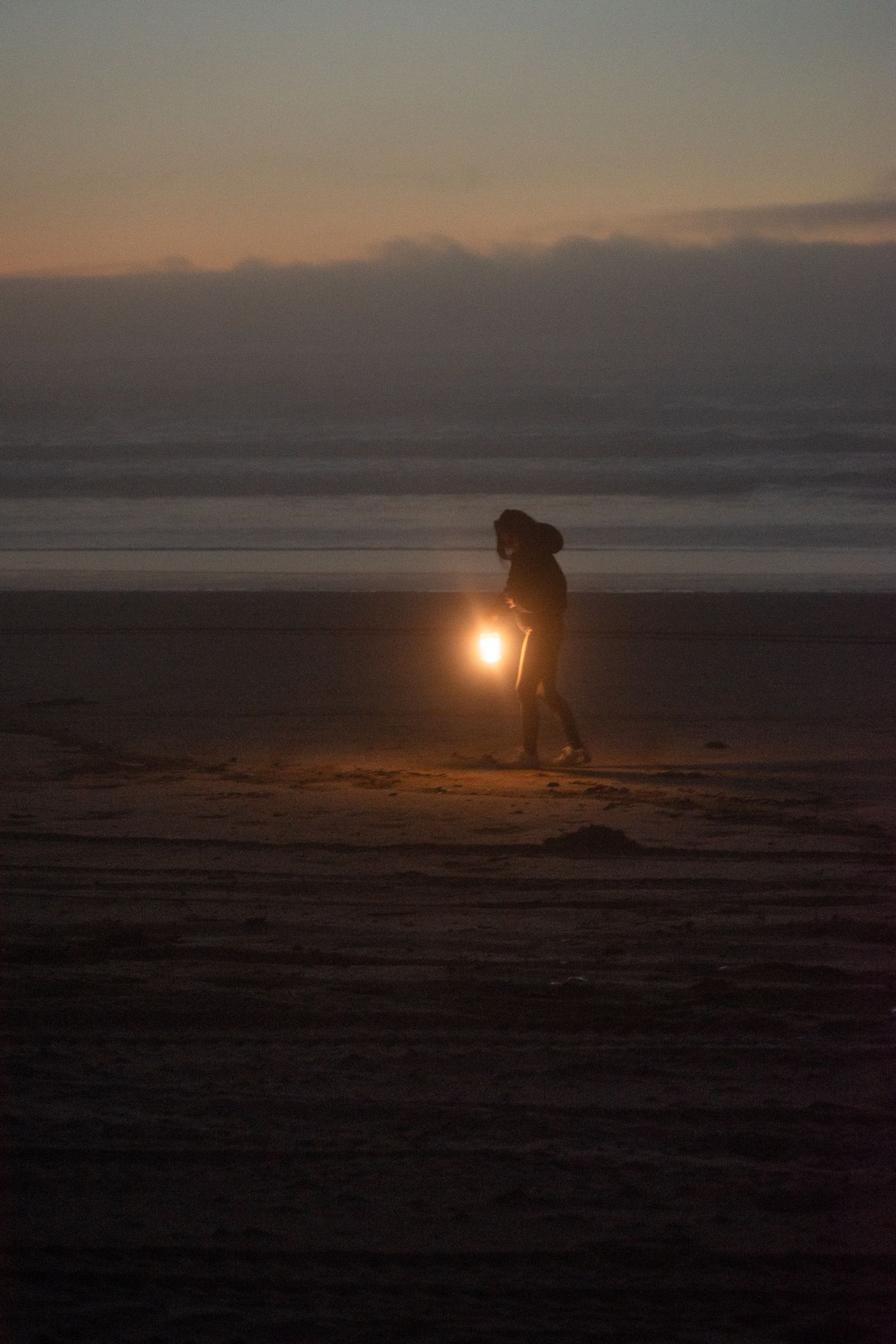
Use these concise answers while comparing shelter, chairs, coolers, towels, storage, lighting, transport, and care needs.
Compare usable shade, wind guidance, ventilation, anchors, setup footprint, packed dimensions, carry weight, group size, and the destination’s local rules.
Estimate the group’s food, drinks, ice, cooling packs, containers, and day length, then consider the loaded weight, carrying terrain, wheels, handles, and storage space.
Use dedicated wet bags, dry bags, cases, or lined compartments. Keep electronics, keys, documents, clean clothes, and first-aid items separately protected.
Keep hydration, sun protection, towels, footwear, safety equipment, communication, frequently used food, and changing items within easy reach.
Follow product guidance and remove it when wind, weather, anchoring, damage, local instructions, or the setup area no longer supports safe use.
Clean and dry every item, remove food and sand, inspect frames and closures, and store away from trapped moisture, high heat, sharp pressure, chemicals, and direct sunlight.
Oceanora support is available 24/7 for product details, sizing, capacity, transport, care, orders, delivery, returns, and exchanges.
Oceanora · 3406 N 16th Drive, Phoenix, AZ 85015 · support@oceanora.lol · +1 (623) 423-2506