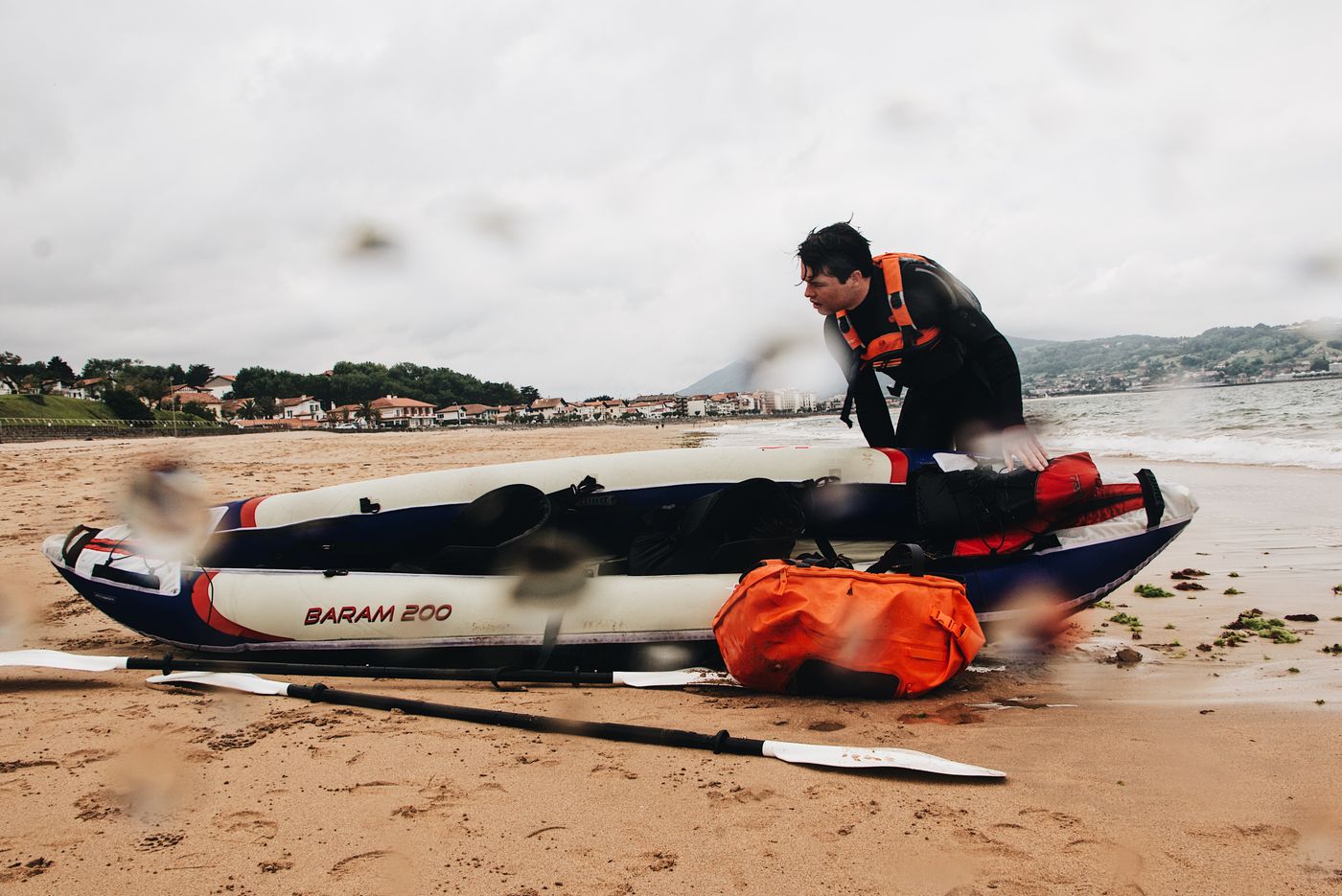
Use this practical field guide to compare water gear by activity, fit, size, transport, setup, safety, and maintenance—then keep each product cleaner, drier, and better prepared for the next outing.
Buy by activityBegin with where, how, and who will use the product.
Check the complete setupInclude accessories, safety, transport, and storage needs.
Care after every outingRinse, dry, inspect, and store according to product guidance.
A practical field manual
Paddle Craft
Compare stability, capacity, and transport.
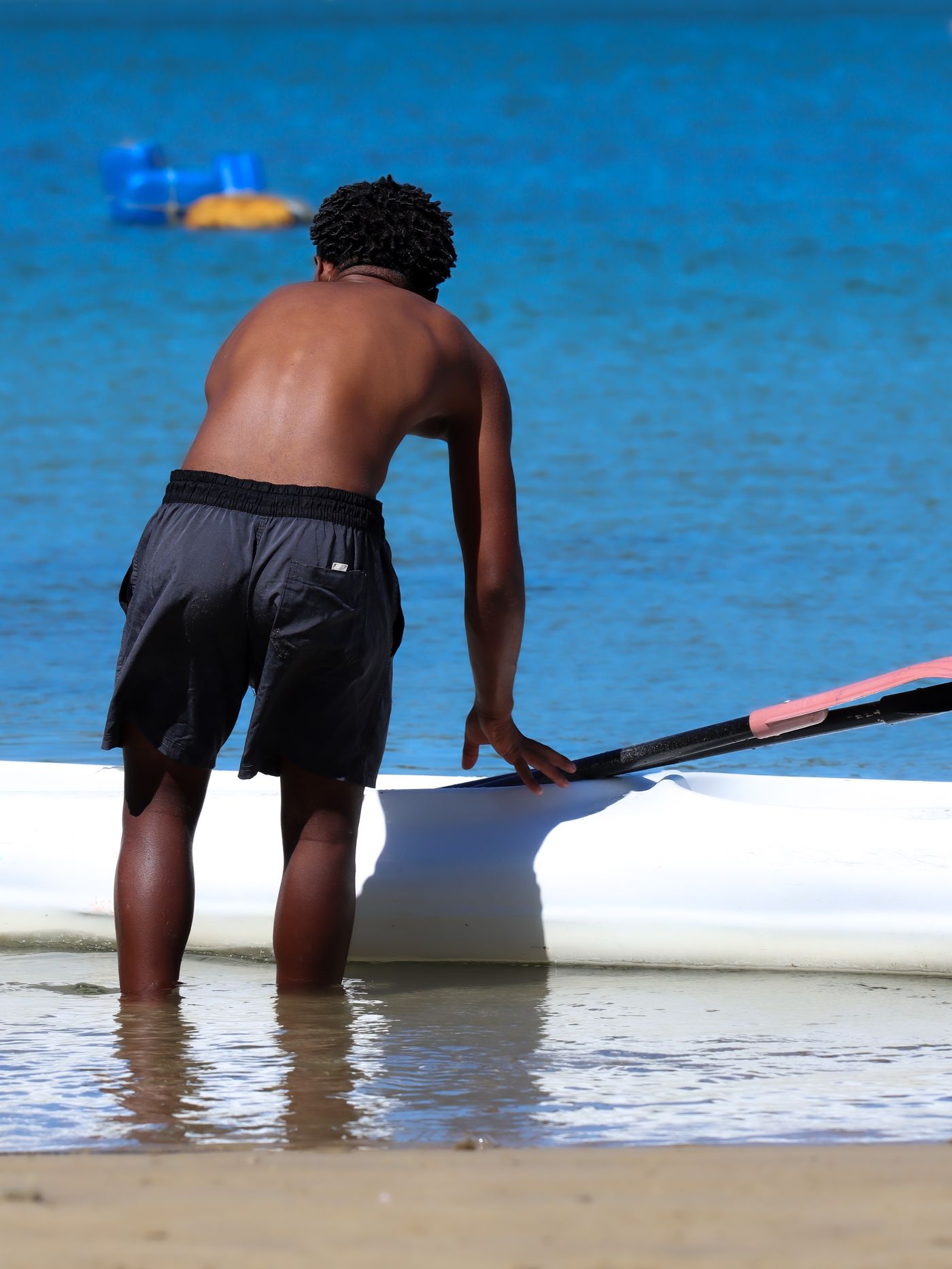
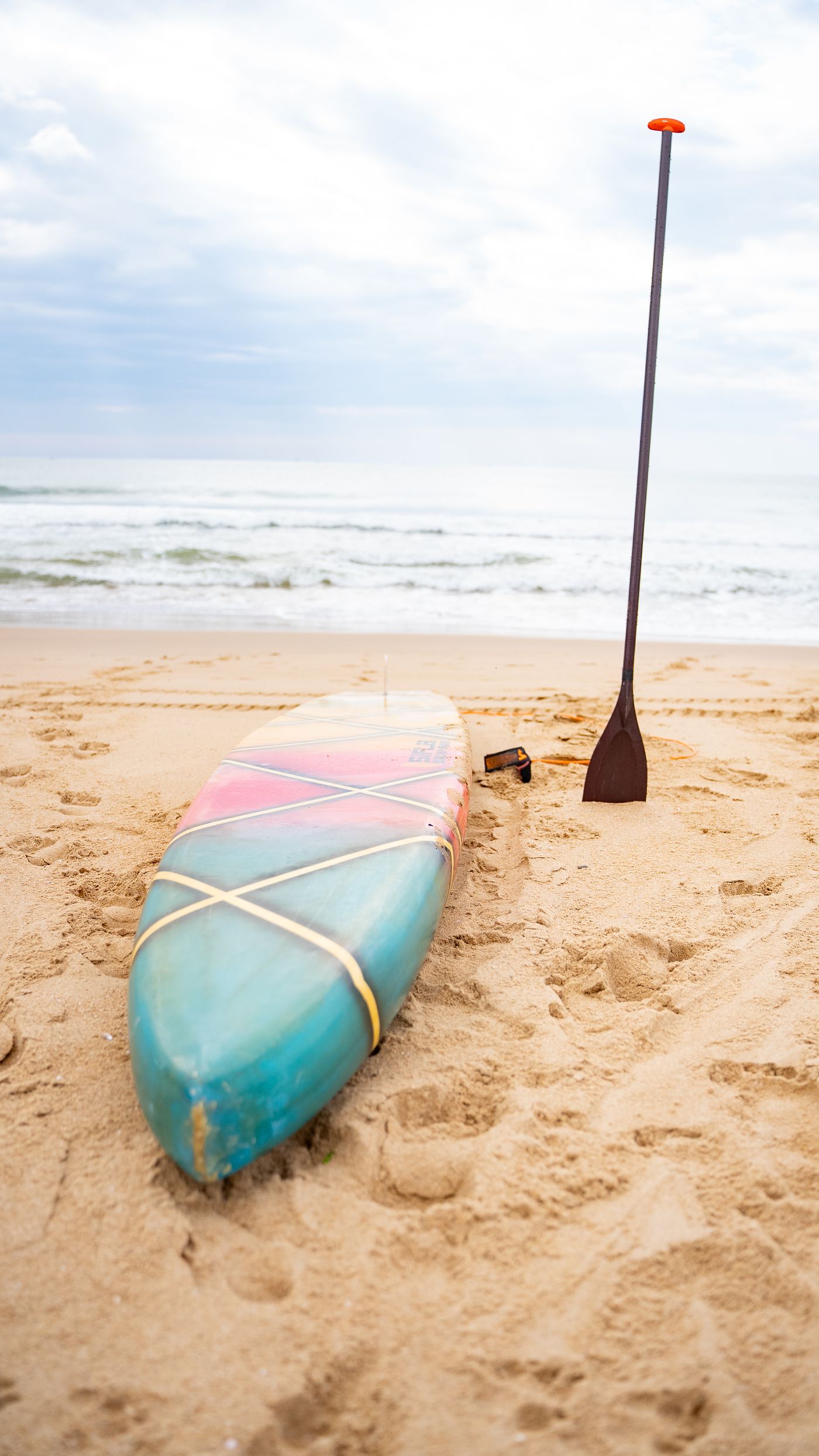
Inflatable kayaks, packrafts, and paddle boards should match the water, user experience, load, packed size, setup time, and included accessories.
01Match the waterCalm lake, coast, slow river, recreation, touring, or fishing use
02Check total capacityInclude users, bags, coolers, safety gear, and accessories
03Review packed dimensionsConfirm vehicle, home storage, carrying, and airline needs
04Complete the setupPaddle, pump, fins, seat, leash, repair kit, and transport bag
Fitted Water Gear
Fit changes performance and comfort.
Life jackets, wetsuits, rash guards, water shoes, masks, and fins should be selected with the wearer’s measurements, activity, water temperature, and movement needs in mind.
01Use product measurementsCompare chest, weight, height, foot, face, and body guidance
02Check intended useSwimming, paddling, snorkeling, surf, tow, or shoreline protection
03Confirm secure movementTest closures, straps, seals, flex, and comfort before water use
04Plan care needsRinsing, drying, deodorizing, shade, and shape protection
Tow & Surf Gear
Match rider limits and connection points.
Towables, ropes, handles, wake gear, kneeboards, water skis, bodyboards, and skimboards should be compared by rider size, product limits, connection requirements, and activity conditions.
01Review rider limitsUse listed capacity, skill, size, and activity recommendations
02Match rope and tow pointsConfirm suitable length, strength, handles, and attachment method
03Add flotationChoose suitable personal flotation for every participant
04Inspect high-load partsCheck seams, inflation, covers, bindings, ropes, and handles
Beach & Camp Gear
Buy around exposure, time, and transport.
Beach tents, umbrellas, chairs, coolers, towels, changing gear, lighting, hydration, and dry storage should fit the destination, group size, weather, and carrying distance.
01Plan shade and wind useReview anchoring, ventilation, packed size, and setup method
02Match group capacityAllow room for people, seating, bags, food, and changing needs
03Protect wet and dry itemsSeparate valuables, clothing, electronics, towels, and used gear
04Plan the carryConsider weight, handles, wheels, straps, and walking distance
Paddle Gear Guide
Understand the complete setup.
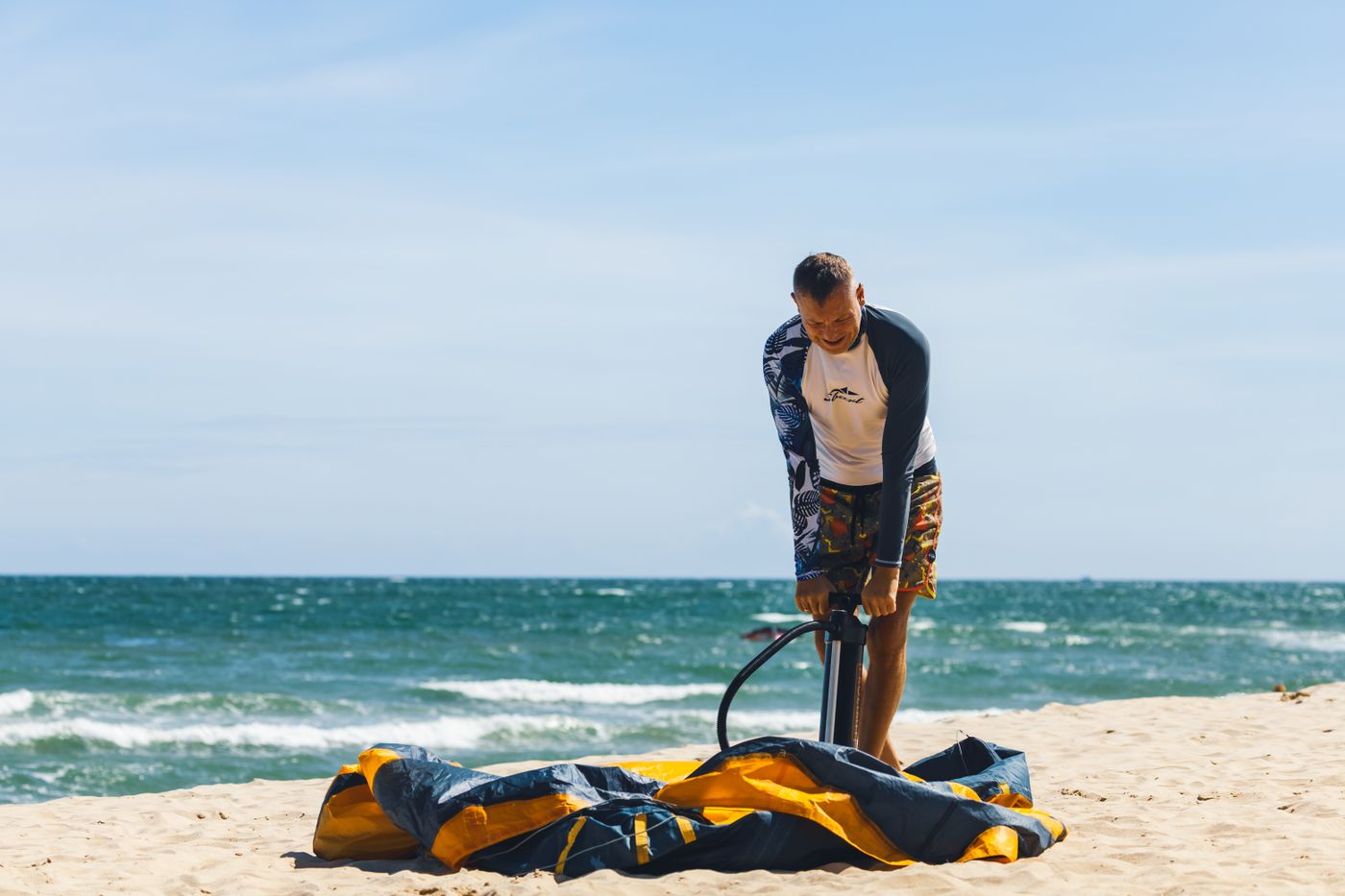
The board or kayak is only one part of the system. Inflation, paddling, seating, tracking, carrying, repair, storage, and personal safety all shape the final experience.
Pressure and valvesConfirm pump compatibility, recommended pressure, and valve type.
Paddle sizingMatch length, adjustability, blade style, user height, and activity.
Fins and trackingReview fin setup, installation, replacement, and intended water depth.
Transport systemCheck folded size, bag quality, handles, straps, and total carry weight.
The Care Cycle
Care begins when the outing ends.
Follow the product instructions first. As a general routine, remove sand and salt, use appropriate fresh-water cleaning, allow complete drying, inspect critical parts, and store away from damaging heat or pressure.
01Rinse and clean
02Dry completely
03Inspect and repair
04Store without stress
Masks, Fins & Waterwear
Protect fit, seals, and shape.
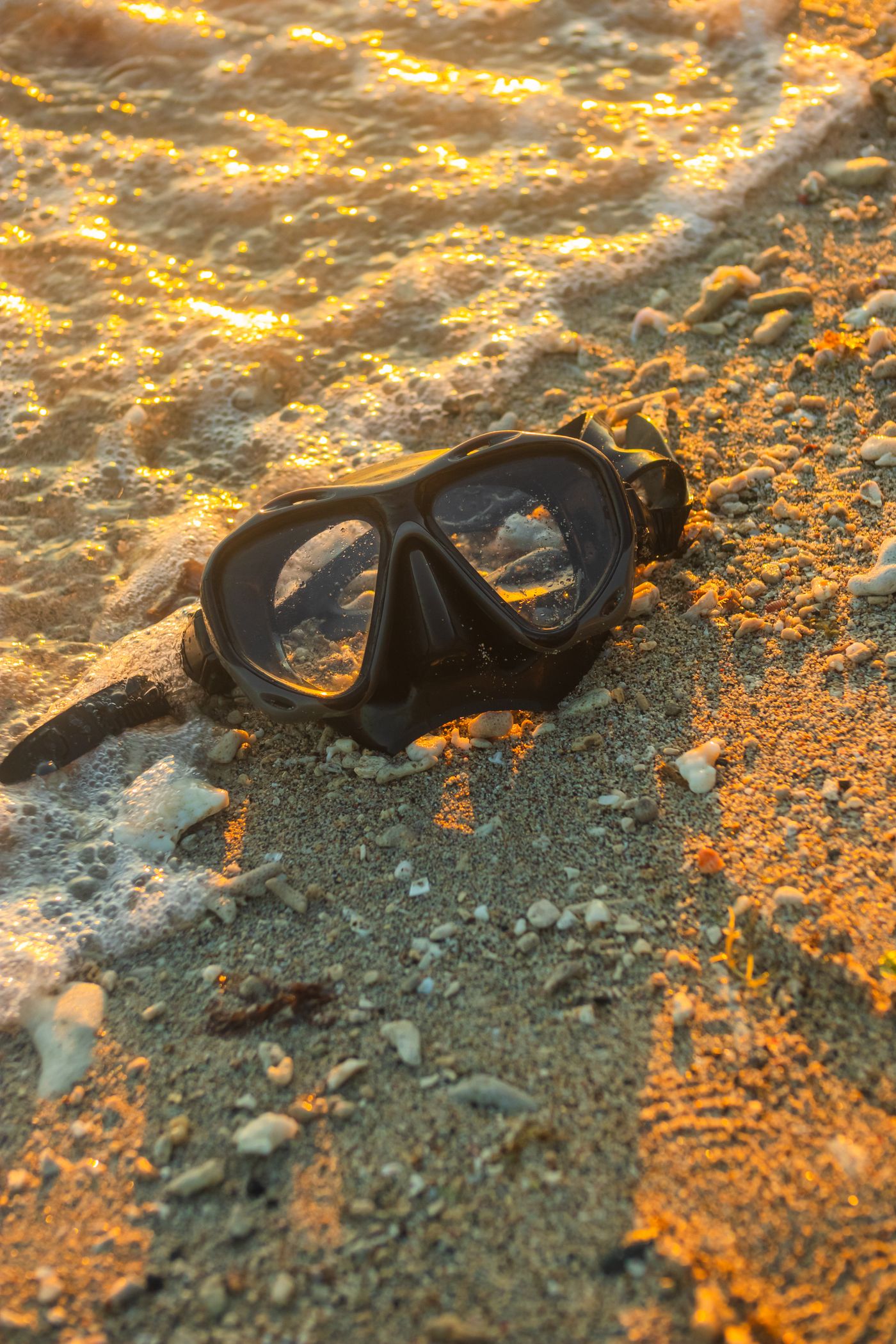
Fitted water gear benefits from gentle cleaning, complete drying, correct storage, and protection from sharp pressure, direct heat, oils, harsh chemicals, and prolonged sunlight.
01Rinse promptlyRemove salt, sand, chlorine, sunscreen, and visible debris.
02Avoid abrasive wipingUse suitable soft materials and product-approved cleaning methods.
03Dry away from strong heatUse airflow and shade rather than hot enclosed spaces.
04Store without distortionProtect mask skirts, lenses, fins, zippers, and neoprene shape.
Storage Guide
Store for the next season.
Long-term storage should protect gear from trapped moisture, high heat, direct sunlight, pests, sharp objects, heavy compression, chemical exposure, and forgotten damage.
01Clean and dryNever seal damp equipment into long-term storage.
02Release damaging pressureAvoid heavy stacking, tight folds, and stress on valves or seams.
03Record missing partsReplace fins, plugs, straps, repair items, or accessories before the next trip.
Buying & Care Answers
Questions worth checking.
Use these concise answers while comparing products, preparing accessories, and building a practical maintenance routine.
What should I decide before comparing products?
Define the activity, environment, user measurements, experience level, group size, transport method, storage space, budget, and complete accessory or safety setup.
Should I choose gear only by maximum capacity?
No. Capacity is one factor. Stability, dimensions, user comfort, water conditions, packed size, product limits, setup requirements, and total load also matter.
How soon should gear be cleaned after use?
Clean and rinse gear as soon as practical after exposure to salt, sand, chlorine, mud, sunscreen, food, or other residue, using the product’s care instructions.
Can inflatable equipment be stored while damp?
Avoid long-term storage while damp. Trapped moisture can create odor, staining, mildew, and material problems. Dry the equipment fully before storing.
When should damaged gear be replaced?
Stop using safety-critical or load-bearing equipment when damage affects its intended function. Follow the manufacturer’s inspection, repair, service, and replacement guidance.
What should stay in a basic gear-care kit?
Build the kit around the products you own. It may include fresh water, soft cleaning materials, product-approved cleaners, drying cloths, repair items, spare parts, valve tools, and storage protection.
Product Guidance
Need help comparing your options?
Oceanora support is available 24/7 for product information, sizing guidance, included components, care questions, order assistance, delivery concerns, returns, and exchanges.