

What water will you enter?
Calm recreation, coastal touring, slow river travel, compact backcountry routes, or guided whitewater use.
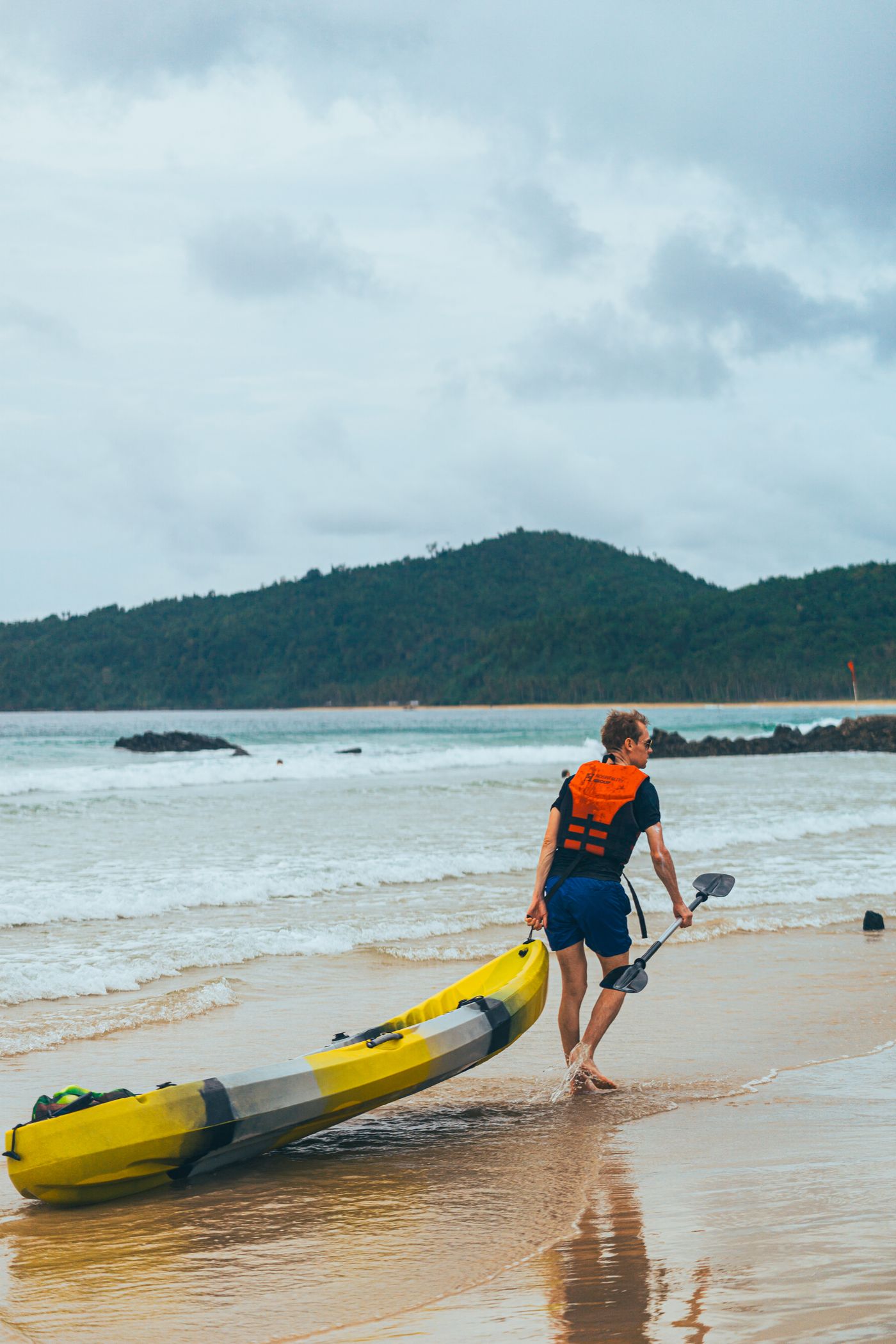 Build the route around the craft
Compare kayaks, packrafts, and rafting equipment by water type, crew size, capacity, stability, packed dimensions, setup, transport, safety, and the accessories required to complete the outing.
Calm recreation, coastal touring, slow river travel, compact backcountry routes, or guided whitewater use.
Review paddler experience, crew size, passenger needs, pets, children, and total movement inside the craft.
Consider carry weight, folded size, vehicle room, walking distance, bags, handles, carts, and airline needs.
Plan paddles, pump, seats, flotation, repair items, dry storage, hydration, communication, and transport.
Recreational kayaks generally favor approachable handling, practical stability, easy entry, and shorter calm-water outings.
Touring-oriented designs often prioritize glide, tracking, storage, seating endurance, and more deliberate route planning.
Packrafts are designed around portability, compact packing, inflation, route access, and the load carried before and after the water section.
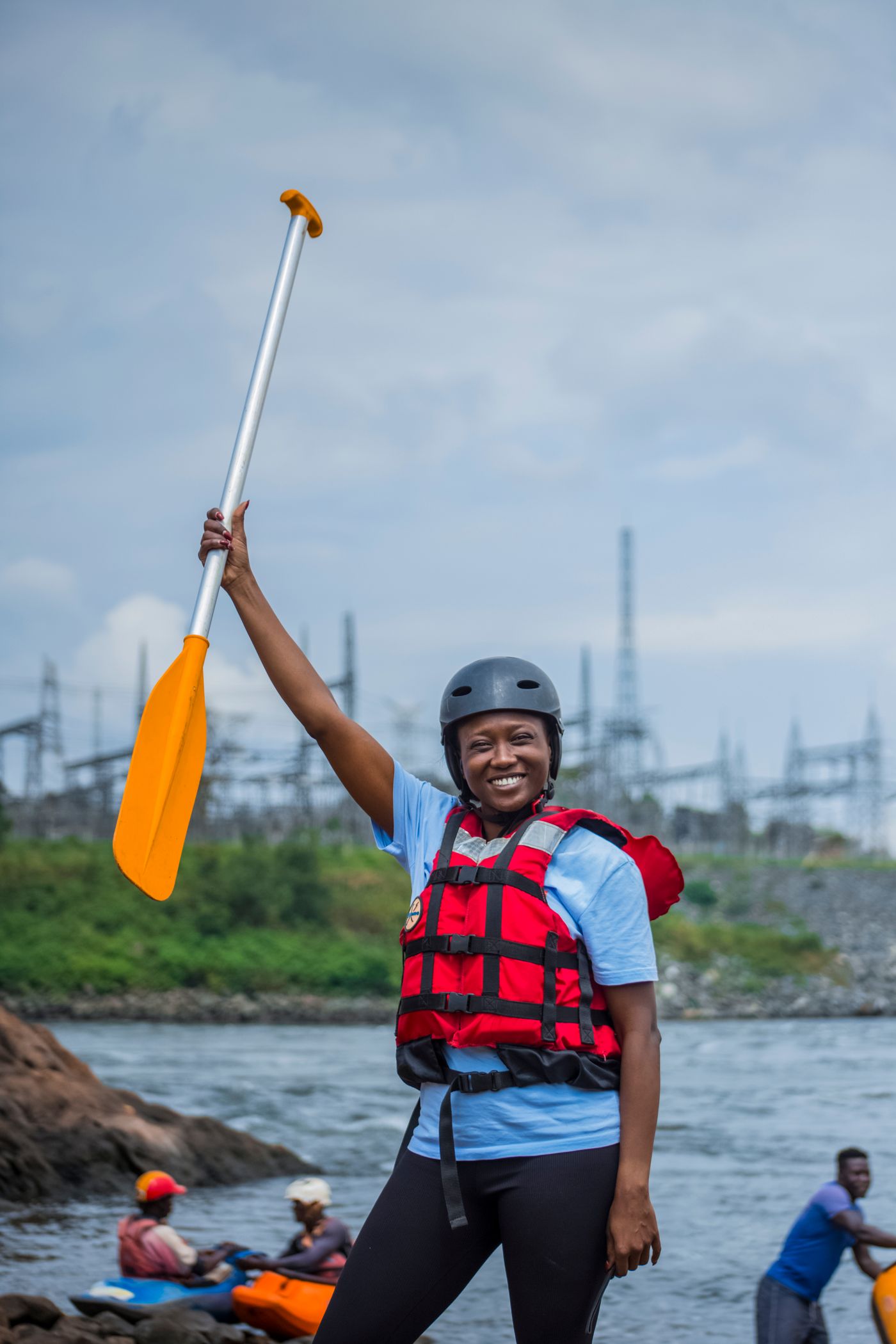
Rafting setups depend on crew roles, guide direction, raft capacity, paddles or oars, helmets, life jackets, inflation, repair, and river-specific safety.
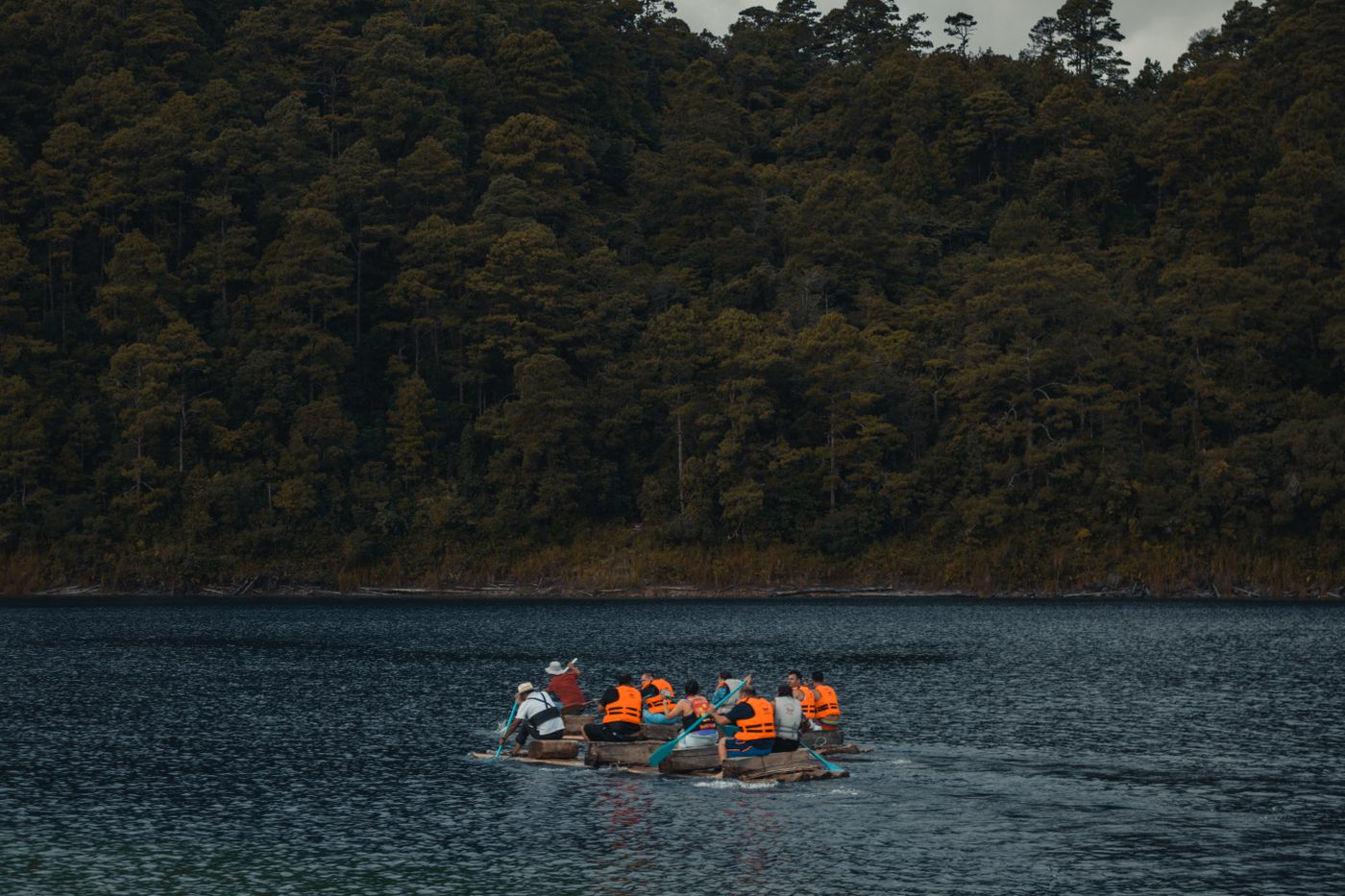
Maximum capacity is not the only decision. Space, balance, seating, movement, water conditions, freeboard, gear placement, and the combined load all affect the experience.
A dependable setup combines propulsion, inflation, seating, safety, repair, carrying, communication, hydration, and dry protection.
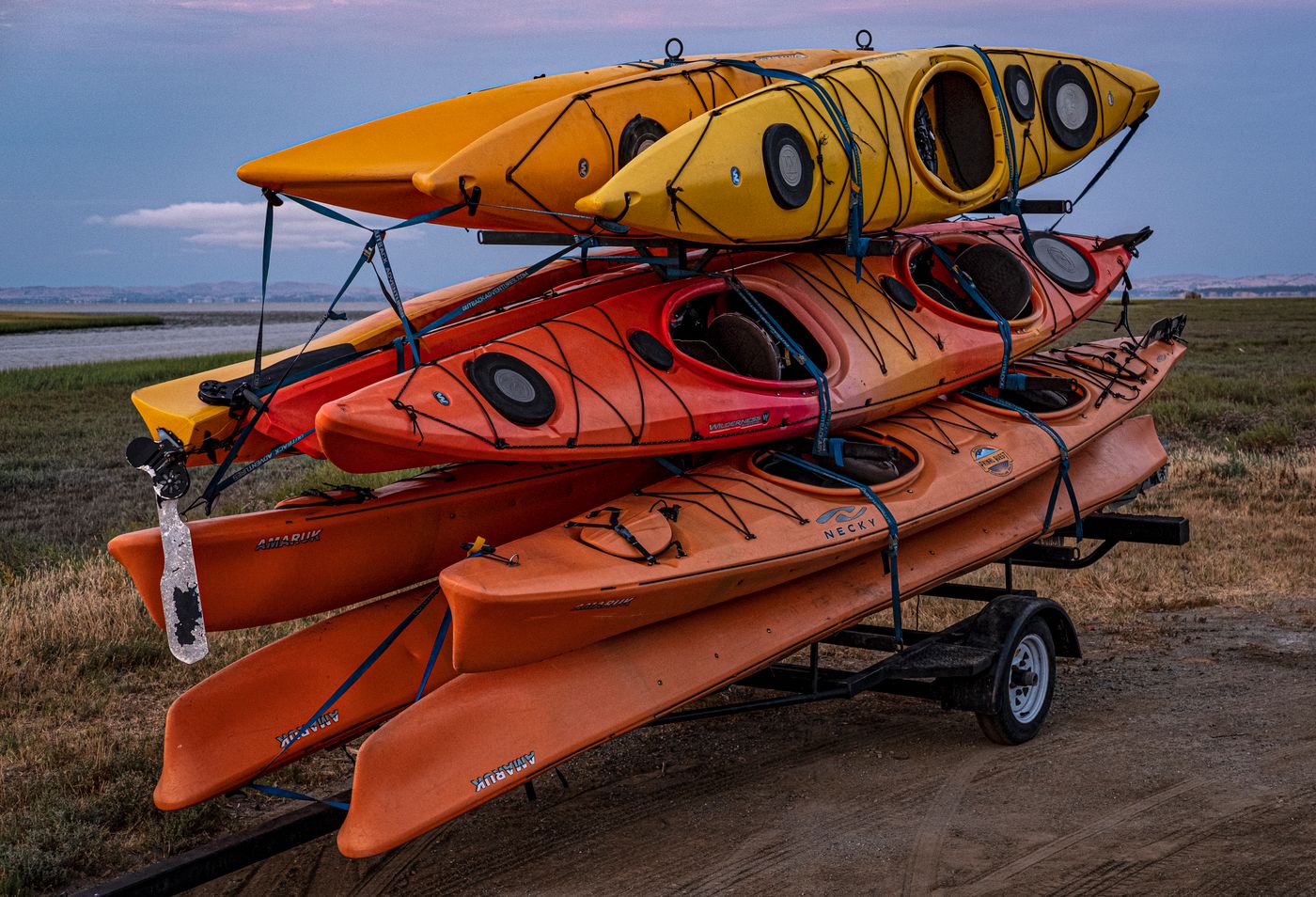
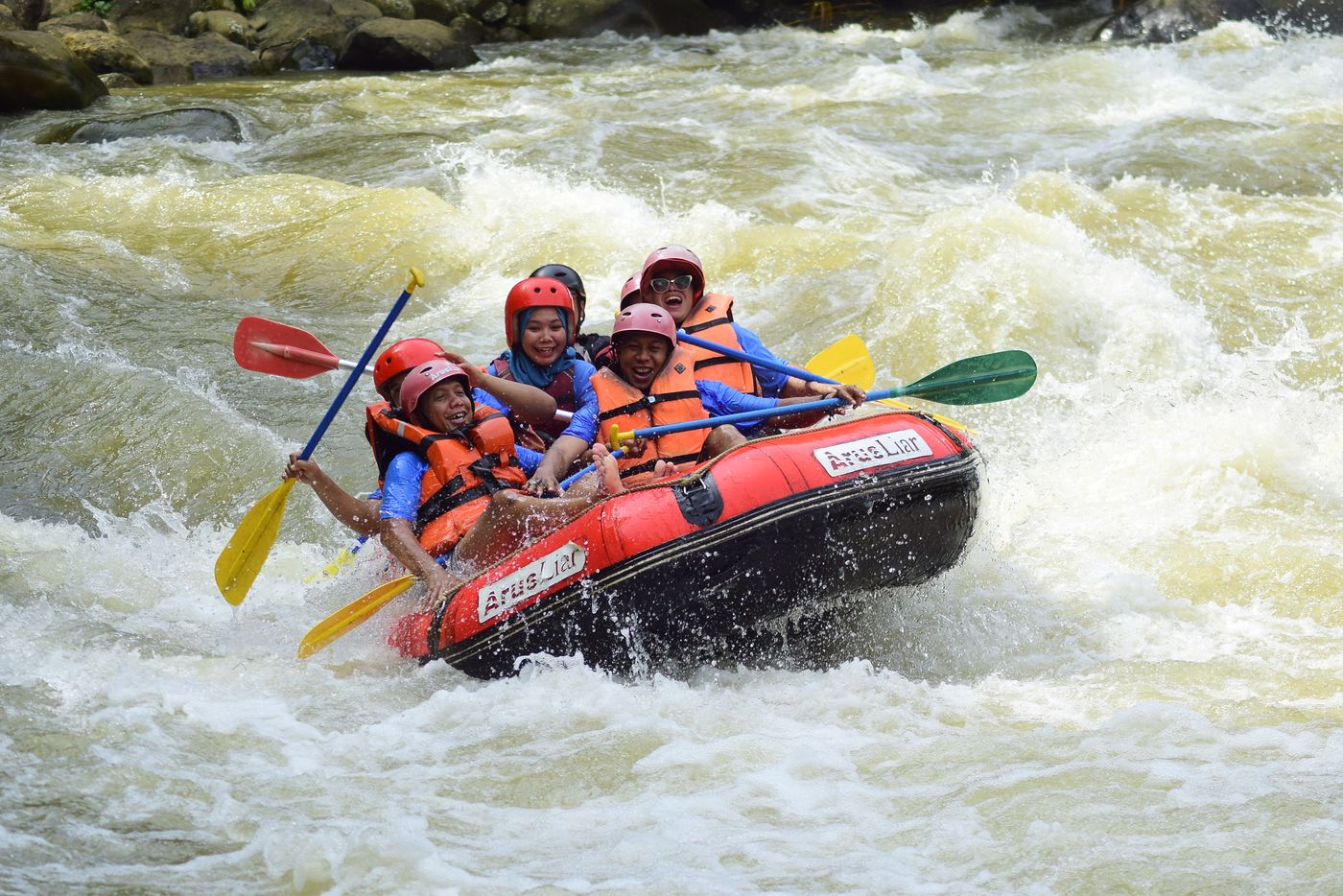
Moving water requires suitable gear, trained leadership, clear commands, coordinated paddling, rescue planning, and strict attention to river conditions and participant ability.
Review weather, current, tide, water temperature, access, hazards, daylight, communication, experience, supervision, and the return route before every launch.
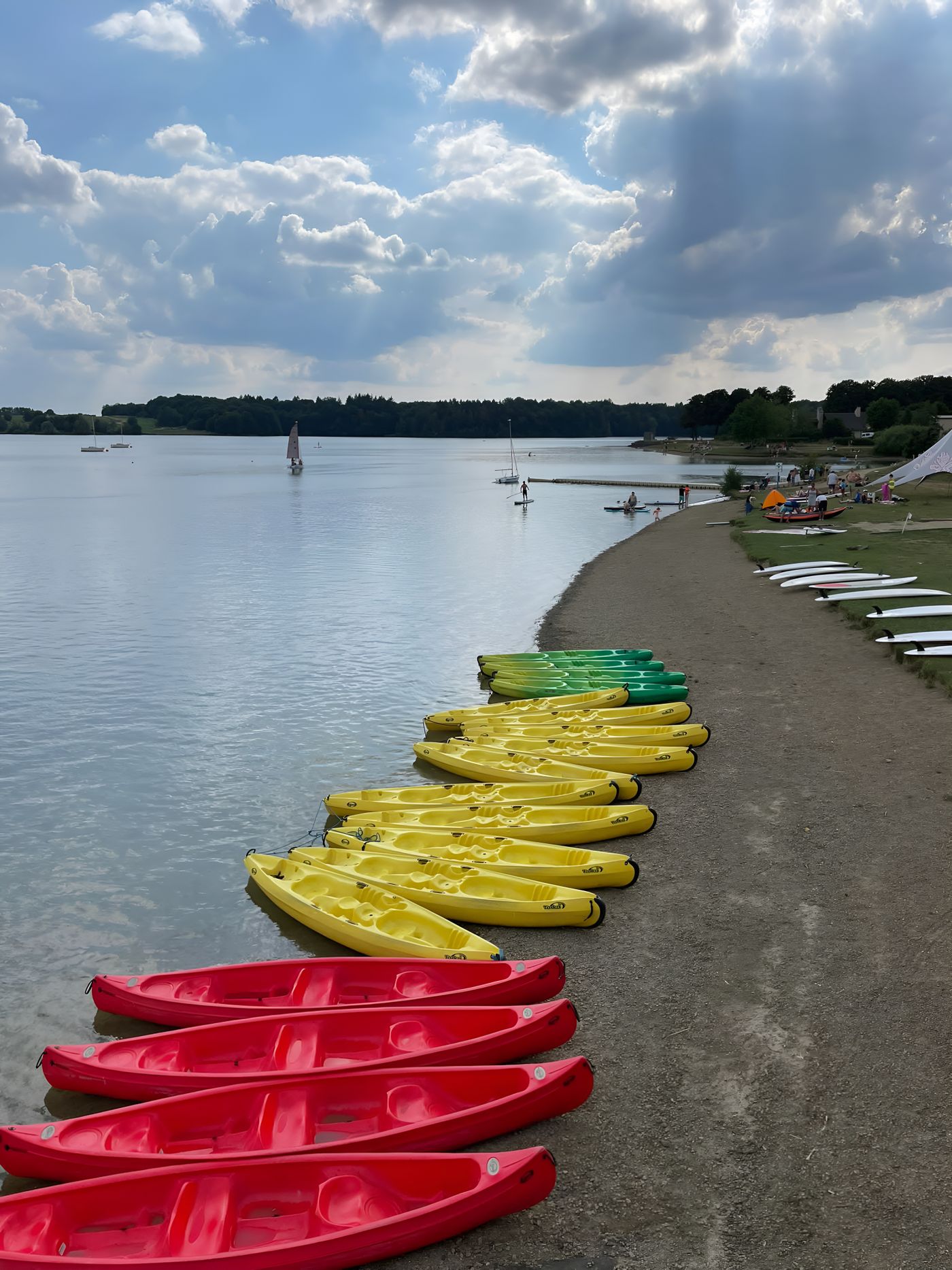
Follow product instructions. Remove sand and salt, rinse appropriately, dry fully, inspect high-stress parts, and store the craft without damaging heat, moisture, pressure, or sharp contact.
Use these concise answers while comparing craft types, calculating capacity, assembling accessories, and planning care.
Choose around water type, route access, packed size, carrying distance, capacity, paddling performance, setup, storage, durability, and the experience required for the planned conditions.
Add every person, bag, cooler, layer, repair item, safety device, paddle, pump, and accessory. Consider space and balance, not only the listed maximum.
Not always. Confirm valve type, hose connection, adapter needs, pressure range, gauge, and the product instructions before using any pump.
The setup depends on the activity and local requirements. It commonly includes suitable flotation, communication, first-aid items, dry storage, repair equipment, hydration, and activity-specific protective gear.
Avoid long-term storage while damp. Trapped moisture can contribute to odor, staining, mildew, and material problems. Dry the craft and accessories fully first.
Stop using equipment when damage affects inflation, structure, load-bearing parts, valves, seams, handles, paddles, flotation, or another intended function. Follow repair and replacement guidance.
Oceanora support is available 24/7 for product details, sizing, capacity, accessories, care, orders, delivery, returns, and exchanges.