

Start with the water, not the color.
The best equipment choice begins with the environment, the wearer, the expected duration, and the movement required—not appearance alone.
01Define the setting
02Measure the wearer
03Complete the kit
Build a swimming or snorkeling setup around fit, visibility, water conditions, distance, comfort, training goals, and the accessories that keep every session more prepared.
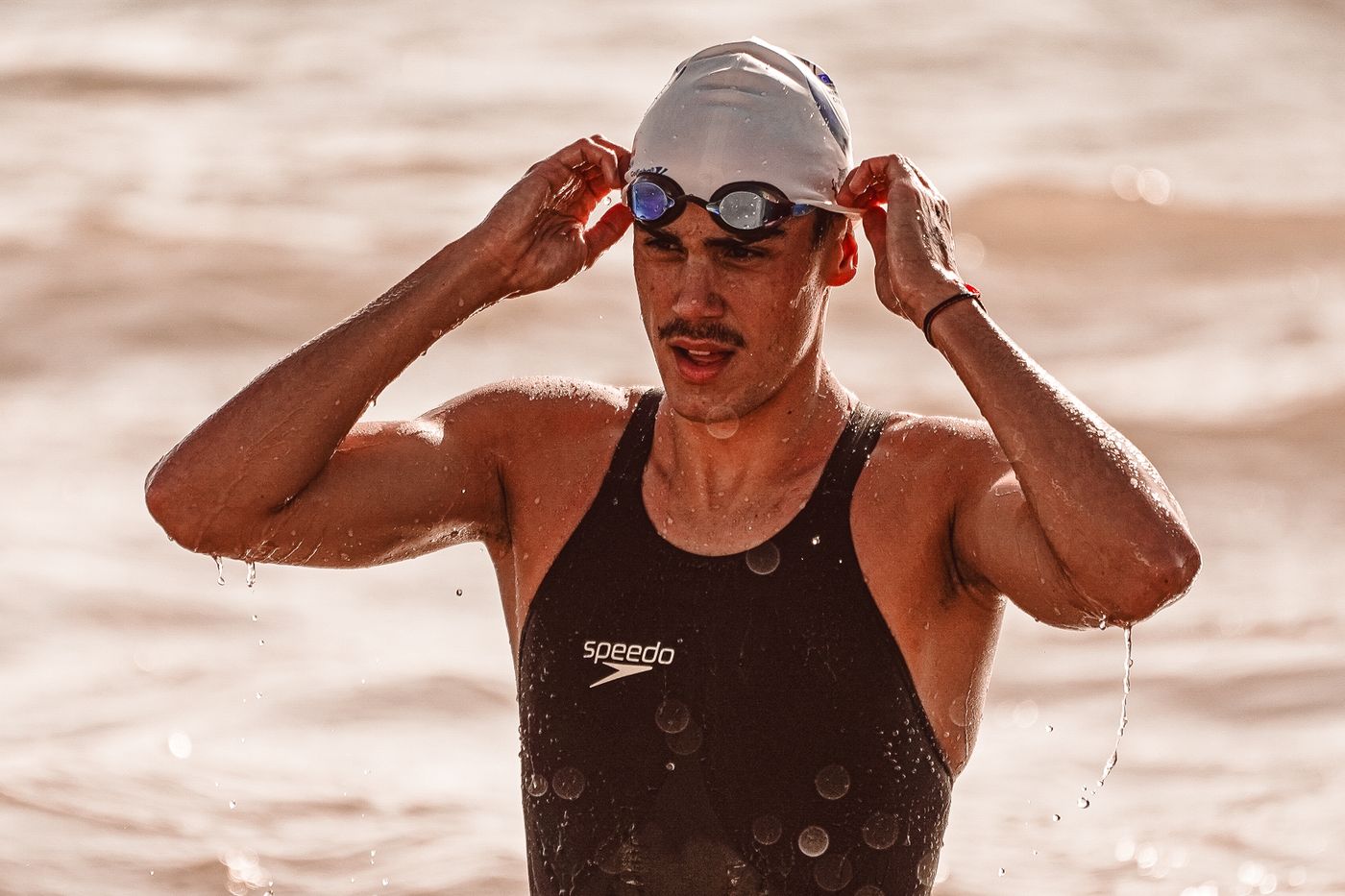
The best equipment choice begins with the environment, the wearer, the expected duration, and the movement required—not appearance alone.
Each product family solves a different problem. Compare how the pieces work together before choosing individual colors, styles, or bundles.
Prioritize seal, lens clarity, strap adjustment, face fit, peripheral visibility, comfort, and the intended pool or open-water use.
Vision systemCompare mouthpiece comfort, tube position, purge features, splash protection, and breathing style.
Breathing systemReview foot-pocket fit, blade length, stiffness, propulsion, training purpose, travel size, and walking needs.
Propulsion systemUse suitable bright caps, tow floats, lights, or visibility accessories for the activity and local conditions.
Awareness systemChoose wetsuits, rash guards, and water shoes around temperature, sun, abrasion, movement, fit, and entry surfaces.
Protection systemMatch pull, kick, technique, pacing, hydration, storage, and recovery tools to a clear training purpose.
Performance systemMask, goggle, and fin fit should feel secure without creating unnecessary pressure. Test adjustment, movement, visibility, and comfort before a longer session.
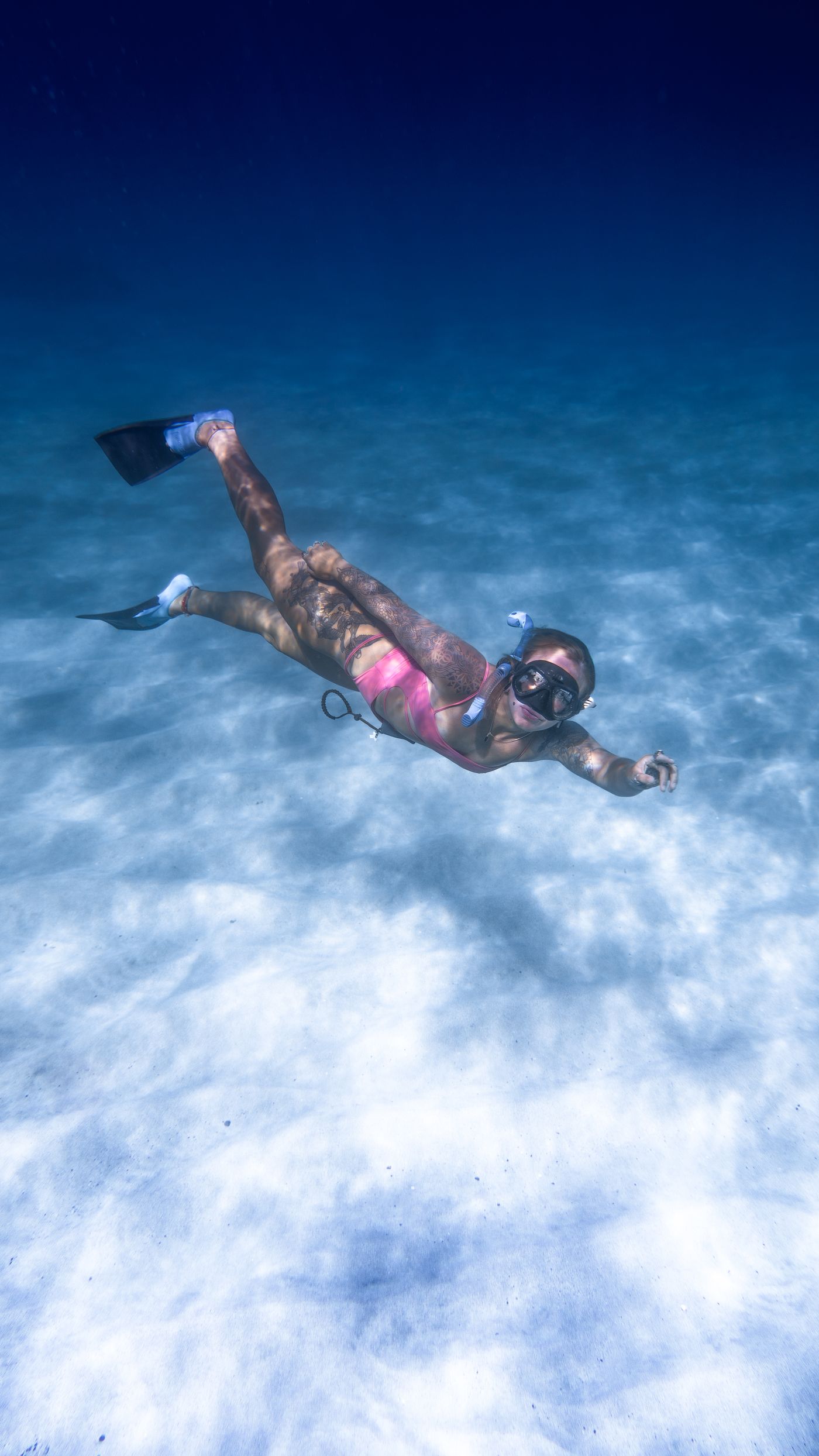
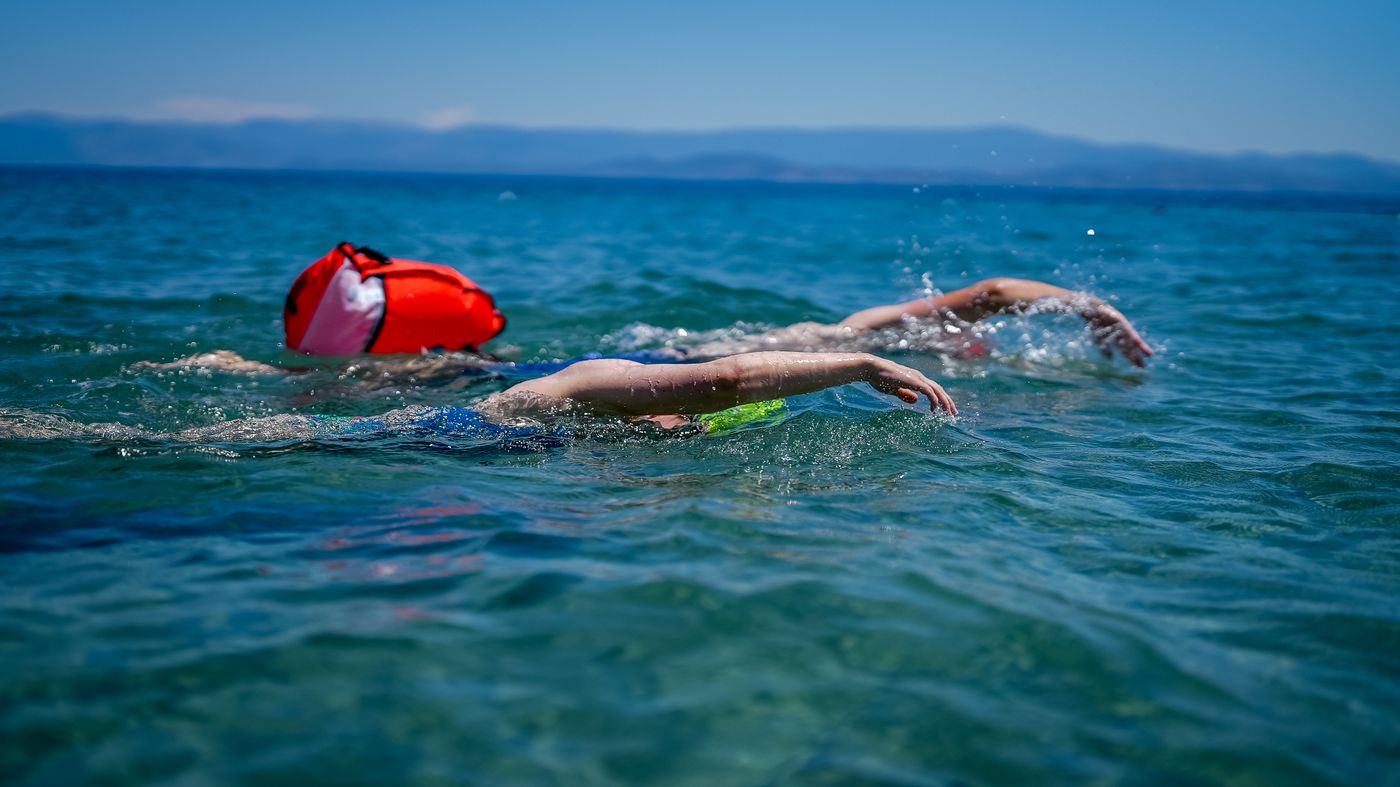
Open water adds current, temperature, waves, distance, changing visibility, access, and fatigue. Build the setup around the conditions and never treat the environment like a pool.
A useful snorkeling kit connects clear vision, comfortable breathing, efficient movement, protection, and storage without adding unnecessary complexity.
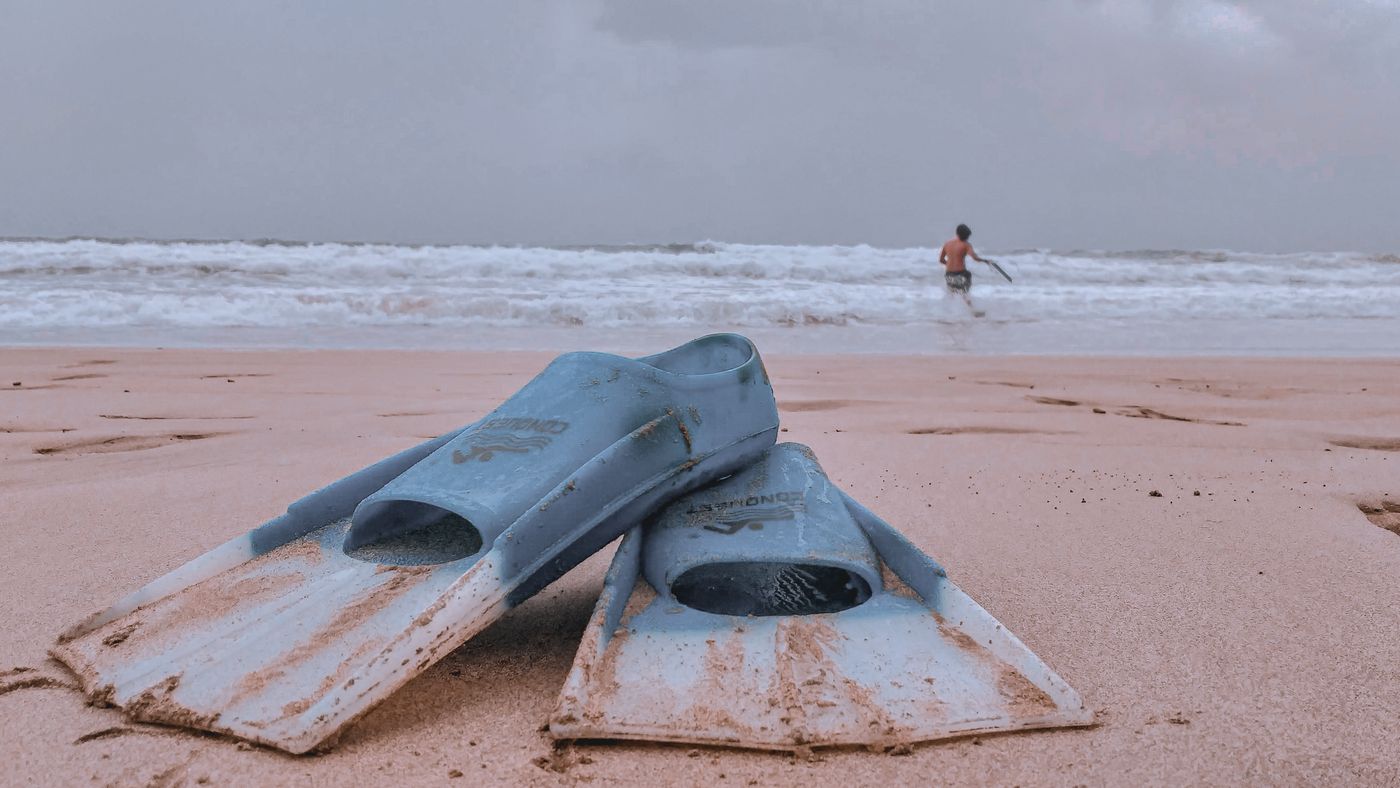
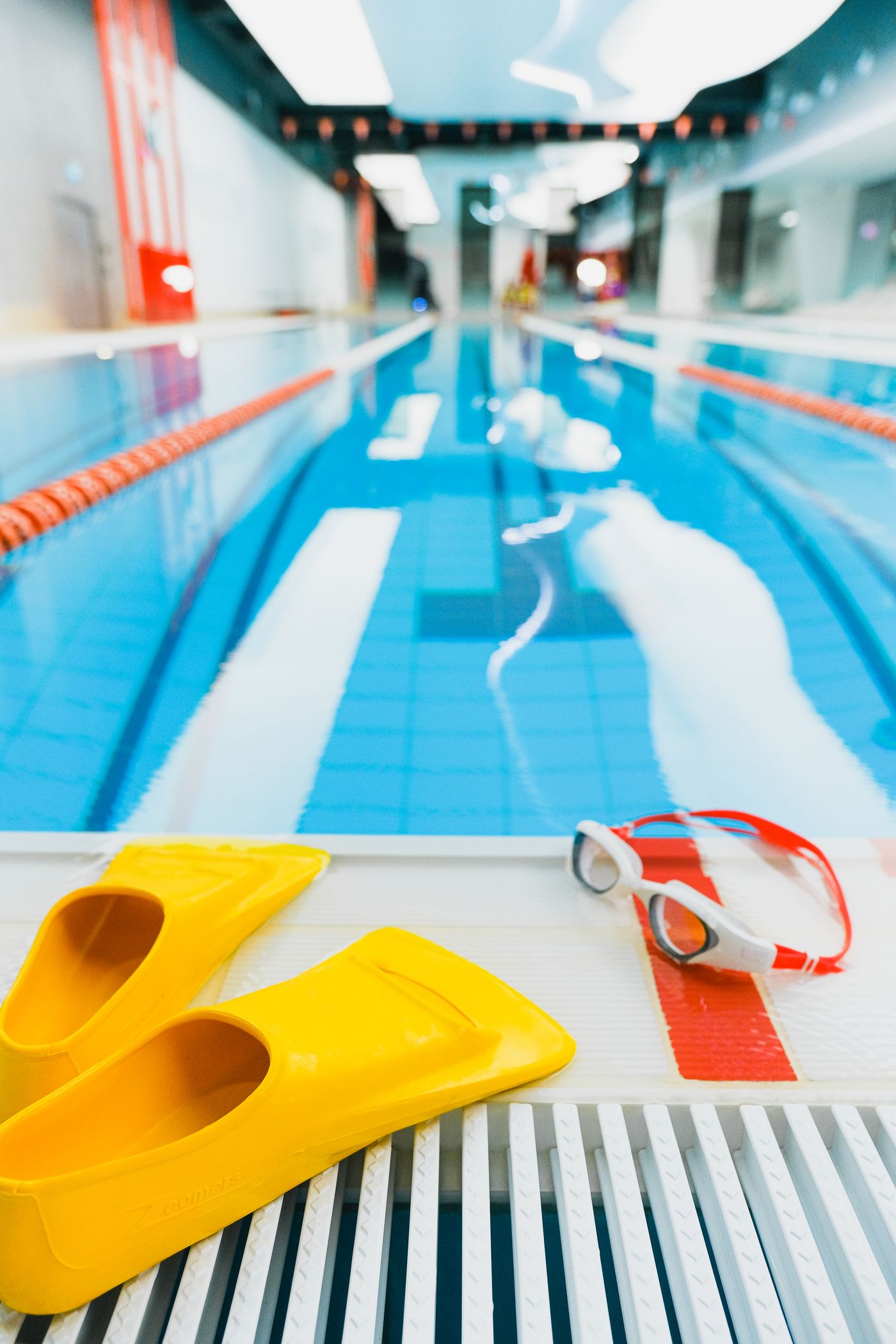
Training accessories should support a specific skill, stroke, distance, body position, or session goal. More equipment is not automatically a better workout.
Follow product instructions first. Remove salt, sand, chlorine, sunscreen, and visible residue; dry fully; inspect straps and seals; then store without crushing lenses, skirts, fins, or waterwear.
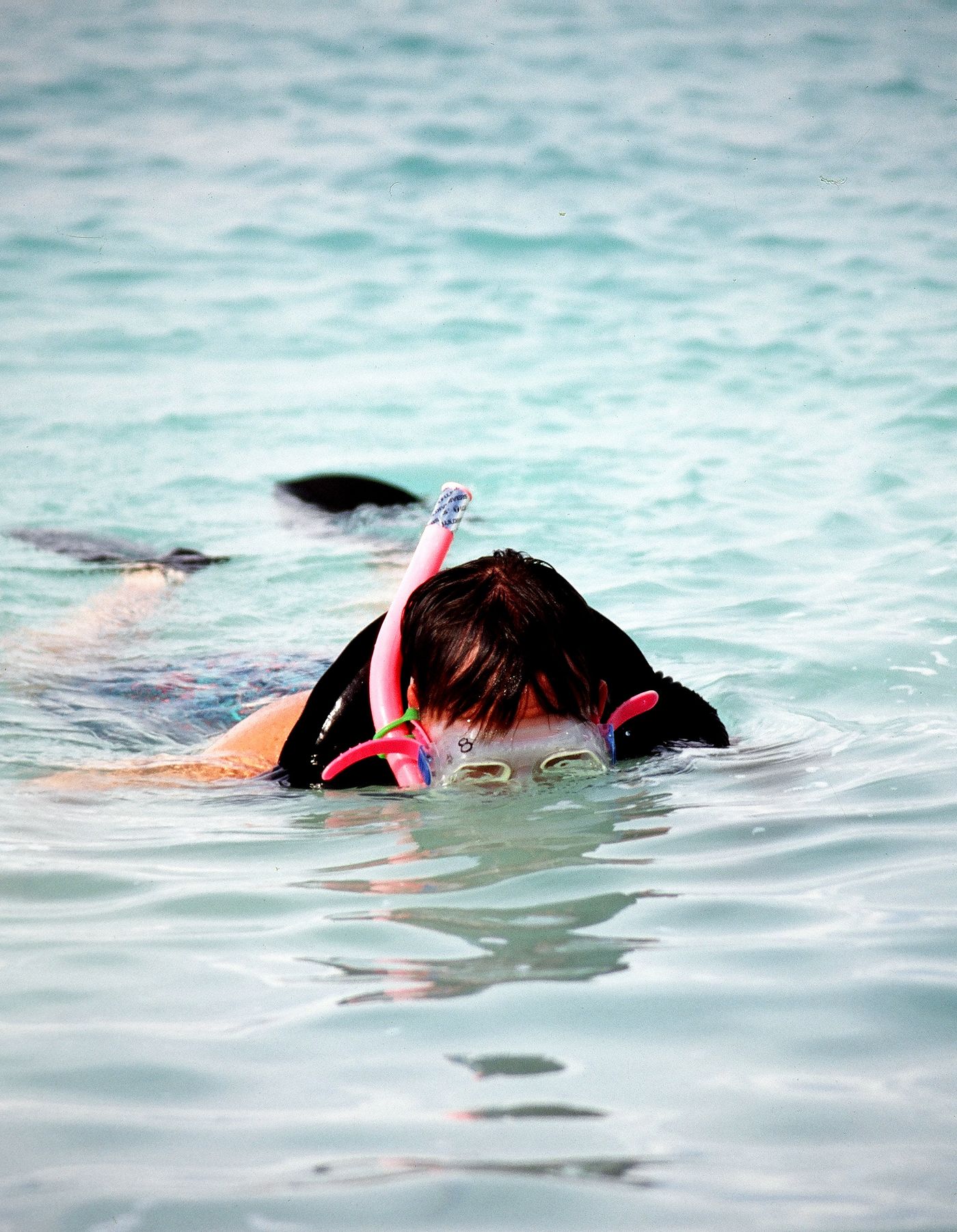
Use these concise answers while comparing fit, selecting accessories, preparing open-water sessions, and caring for equipment.
The skirt should sit comfortably against the face and create a practical seal without excessive strap tension. Facial shape, hair, movement, and the product’s sizing guidance all matter.
Compare foot-pocket fit, blade length, stiffness, propulsion, training purpose, water conditions, travel size, and the amount of ankle or leg effort required.
Some may be suitable, but open-water swimmers often prioritize broader visibility, secure fit, lens choice, comfort, and conditions. Follow product guidance for the intended use.
No. Use a buddy, choose appropriate conditions, follow local guidance, stay within ability, and prefer supervised or designated areas when available.
Rinse and dry them according to product instructions, protect lenses from abrasion, avoid crushing the skirt or seals, and store away from strong heat and direct sunlight.
Replace equipment when damaged lenses, straps, seals, mouthpieces, foot pockets, blades, seams, closures, or other critical parts affect fit, visibility, movement, or intended function.
Oceanora support is available 24/7 for product details, fit guidance, accessories, care, orders, delivery, returns, and exchanges.